
The Pros and Cons of Smart Vent Systems for River Oaks Estates
Smart vent systems can cut energy bills by up to 30% in some Houston homes by directing conditioned air exactly where it’s needed. But in River Oaks Estates, where many homes have older ductwork and large floor plans, these devices can also cause serious airflow problems if installed without professional guidance. The real question is not whether smart vents exist, but whether they will work safely in your specific HVAC setup.. Read more about How Smart Leak Detectors Can Save Your Shadow Creek Ranch Home from Ceiling Damage.
How Smart Vents Differ From Traditional Registers
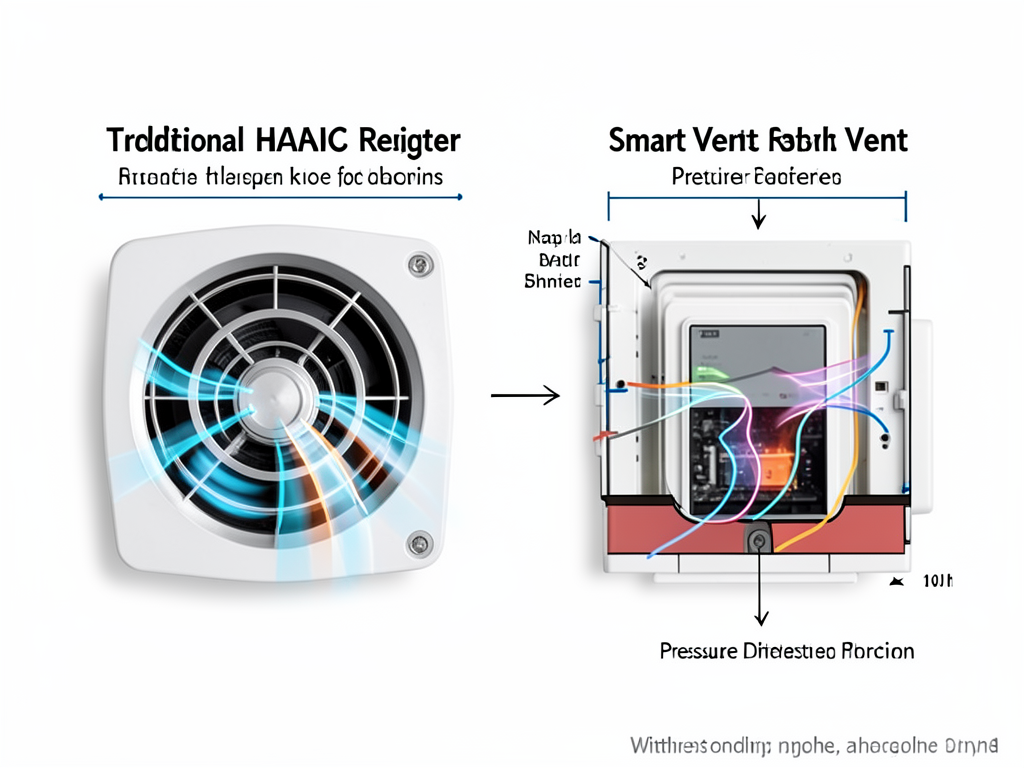
Traditional HVAC registers are passive metal grilles that let air flow freely. Smart vents add a small motorized damper and sensor inside each register, allowing the system to close off rooms that are already at the target temperature. They connect to your Wi-Fi and respond to commands from a smartphone app or a compatible smart thermostat. In River Oaks Estates, where many homes have formal living areas and guest bedrooms that sit empty for days, this level of control sounds ideal.. Read more about Why High Ceilings in Your Bridgeland Living Room Make Cooling More Difficult.

Cross-section diagram of a smart vent showing motorized damper, temperature sensor, and airflow path compared to a standard register.
Potential Benefits for Houston Homeowners
River Oaks Estates homes often have two-story designs where upstairs bedrooms stay 5-8 degrees warmer than downstairs living areas. Smart vents can help balance these temperature swings by closing off cooler downstairs rooms and pushing more air upstairs during peak afternoon heat. In Houston’s 90+ degree summer months, that can mean a more consistent comfort level without running the AC at full blast all day.. Read more about Why Your Meyerland Smart Home Needs a Fully Integrated HVAC System.
Energy savings depend on your home’s layout and usage patterns. If you keep guest rooms or formal dining areas closed off for long periods, smart vents can reduce wasted cooling in those spaces. Some homeowners report cutting their summer electric bills by $40-$80 per month, though actual savings vary widely based on insulation quality and HVAC system age.
The Static Pressure Problem Most Installers Ignore
Static pressure is the resistance your blower motor fights to push air through your ducts. When you close too many vents at once, pressure builds up in the system like a kink in a garden hose. This forces the blower to work harder, which can burn out PSC motors in older systems within months. Variable-speed ECM motors handle pressure changes better, but even they have limits.. Read more about Why Communicating HVAC Systems are the Superior Choice for Custom Builds in Piney Point Village.
In River Oaks Estates, many homes built before 2010 have single-stage furnaces with PSC motors rated for continuous airflow. Closing more than 30% of vents at one time can push static pressure beyond the manufacturer’s safe operating range, voiding warranties and risking expensive repairs. A professional static pressure test should always come before installation.. Read more about Improving Airflow in Three Story Midtown Townhomes Without Major Renovations.
Humidity Control and Mold Risks in Houston
Houston’s average relative humidity stays above 70% for most of the year. Your AC does more than cool air—it also removes moisture. When airflow drops due to closed vents, the evaporator coil can get too cold and start to freeze. Once it thaws, that excess water can collect in ductwork and create ideal conditions for mold growth.
Smart vent systems that don’t communicate with your AC’s humidity sensors can make this problem worse. If the system keeps closing vents in already-cool rooms, it reduces the total moisture removal across your home. Over time, this can lead to musty odors, allergy symptoms, and even structural damage to wooden building materials.
Cost Comparison: Smart Vents vs. Professional Zoning
| Feature | Smart Vent System | Professional Zoning |
|---|---|---|
| Initial Cost | $800 – $1,500 for 5-6 vents | $2,500 – $4,500 installed |
| Installation Time | DIY or 2-3 hours pro | 1-2 days professional |
| System Compatibility | Works with most setups | Requires compatible HVAC |
| Humidity Control | Limited | Integrated with AC |
| Warranty Impact | May void equipment warranty | Maintains all warranties |
Who Should Consider Smart Vents in River Oaks
Smart vents make the most sense for homes with variable occupancy patterns. If you have a home office that’s only used during business hours, or a guest suite that sits empty for weeks, you can save energy by directing airflow away from those spaces. They also work well in homes with open floor plans where traditional zoning would require major ductwork modifications.
However, they’re not right for every situation. If your HVAC system is over 15 years old, has a single-stage compressor, or shows signs of existing airflow problems like hot and cold spots, smart vents will likely cause more issues than they solve. Homes with high-efficiency variable-speed systems can sometimes benefit, but only with professional load calculations first.. Read more about Optimizing Your Summerwood Home with the Right Ceiling Fan and AC Combo.
Professional Installation Requirements
Installing smart vents isn’t as simple as swapping out registers. A proper installation starts with a Manual J load calculation to determine your home’s cooling requirements. Next comes a duct leakage test to find any existing problems. Only after these diagnostics should vents be installed, and even then, they should never close more than 20-30% of your total vent area at once.
Professional installers also need to verify that your smart thermostat can communicate with the vents. Some systems work best with specific thermostat brands, while others require a separate hub. In River Oaks Estates, where homes often have complex multi-zone layouts, a professional can recommend the right combination of vents and bypass dampers to maintain safe airflow.
Technician using a manometer to measure static pressure in ductwork before and after smart vent installation.
The Houston Climate Factor
River Oaks Estates sits in a unique microclimate where Gulf moisture meets urban heat island effects. This means your AC runs longer and harder than in surrounding suburbs. Smart vents that work fine in drier climates can cause coil freezing in Houston’s humidity within days. The high moisture content in the air means even small airflow restrictions can lead to condensation problems.
Additionally, many River Oaks homes have slab foundations with ductwork running through unconditioned spaces. Any moisture that accumulates in these ducts can wick into surrounding materials. Smart vent systems that reduce airflow without proper humidity management can turn a comfort upgrade into a mold remediation project.
ROI Timeline for Local Homes
Based on Houston’s average summer cooling costs of $250-$350 per month for homes over 3,000 square feet, smart vents would need to reduce runtime by at least 15% to break even within three years. That’s achievable in homes with significant unused space, but unlikely in homes where every room gets regular use.
The math changes if you’re already planning to replace your HVAC system. Many newer high-efficiency units come with built-in zoning capabilities that provide similar benefits without the static pressure risks. In those cases, smart vents become redundant rather than cost-effective.
Maintenance Considerations
Smart vents contain moving parts and electronics that require occasional maintenance. The motorized dampers can accumulate dust and eventually stick, especially in Houston’s dusty environment. Most manufacturers recommend cleaning the internal mechanisms every six months and replacing batteries in wireless models annually.
If a single vent fails in the closed position, it can create a pressure imbalance that affects your entire system. Unlike traditional registers that fail safe (by staying open), smart vents can fail in ways that damage your equipment. This makes professional monitoring and regular system checks important for long-term reliability.
Final Verdict: Smart Vents in River Oaks Estates
Smart vents can provide targeted comfort and energy savings in specific situations, but they’re not a universal solution. For River Oaks Estates homes with modern variable-speed systems, professional load calculations, and proper humidity management, they can be a valuable upgrade. For older homes with single-stage equipment, they often create more problems than they solve.
The key is professional evaluation before installation. A qualified HVAC technician can test your system’s static pressure tolerance, calculate potential energy savings, and determine whether smart vents or traditional zoning would serve you better. Without this assessment, you’re gambling with your comfort and potentially your HVAC warranty.
Frequently Asked Questions
Do smart vents void my HVAC warranty?
Closing too many vents can create static pressure that exceeds manufacturer specifications, potentially voiding your equipment warranty. Always check your warranty terms and get professional evaluation before installation.
How many smart vents can I install safely?
Most HVAC professionals recommend keeping at least 70% of your total vent area open at all times. The exact number depends on your system’s static pressure rating and blower motor type.
Will smart vents work with my existing thermostat?
Some smart vent systems require specific thermostat brands or a separate hub for communication. Check compatibility before purchasing, as mismatched systems may not function properly.
How long do smart vents typically last?
With proper maintenance, the motorized components in smart vents can last 5-7 years. The electronic controls may need replacement sooner, especially in Houston’s humid environment.
Can I install smart vents myself?
While the physical installation is similar to changing a register, proper setup requires static pressure testing and system calibration. DIY installation risks damaging your HVAC equipment and creating humidity problems.
Ready to Evaluate Your Smart Vent Options?
Smart vents might seem like an easy upgrade, but they can cause serious problems if your HVAC system isn’t ready for them. Call (281) 552-7766 today to schedule a professional evaluation. We’ll test your static pressure, check your system compatibility, and give you honest recommendations based on your home’s specific needs. Don’t risk voiding your warranty or creating humidity problems—get the facts before you buy.. Read more about Why a Radiant Barrier Might Be the Missing Piece for Your Aliana AC System.
Pick up the phone and call (281) 552-7766 before the next Houston heat wave hits. Your comfort and your equipment’s longevity depend on making the right choice from the start. For more information, visit Department of Energy thermostat efficiency guide. For more information, visit ASHRAE HVAC standards and guidelines.
{
“@context”: “https://schema.org”,
“@type”: “BlogPosting”,
“headline”: “The Pros and Cons of Smart Vent Systems for River Oaks Estates”,
“description”: “Smart vents promise room-by-room comfort in Houston’s heat. Learn the real benefits, risks, and costs before installing them in your River Oaks home.”,
“wordCount”: 1598,
“datePublished”: “2026-05-03T06:29:00.000Z”,
“dateModified”: “2026-05-03T06:29:00.000Z”,
“inLanguage”: “en-US”,
“mainEntityOfPage”: {
“@type”: “WebPage”,
“@id”: “https://titanhvachouston.com”
},
“publisher”: {
“@type”: “LocalBusiness”,
“name”: “Titan HVAC Houston”,
“url”: “https://titanhvachouston.com”
},
“author”: {
“@type”: “Organization”,
“name”: “Titan HVAC Houston”,
“url”: “https://titanhvachouston.com”
},
“image”: {
“@type”: “ImageObject”,
“url”: “https://titanhvachouston.com/wp-content/uploads/2026/03/the-pros-and-cons-of-smart-vent-systems-for-river-1.png”
}
}
{
“@context”: “https://schema.org”,
“@type”: “HVACBusiness”,
“name”: “Titan HVAC Houston”,
“url”: “https://titanhvachouston.com”,
“address”: {
“@type”: “PostalAddress”,
“addressLocality”: “Houston”
},
“areaServed”: {
“@type”: “City”,
“name”: “Houston”
}
}
{
“@context”: “https://schema.org”,
“@type”: “FAQPage”,
“mainEntity”: [
{
“@type”: “Question”,
“name”: “Do smart vents void my HVAC warranty?”,
“acceptedAnswer”: {
“@type”: “Answer”,
“text”: “Closing too many vents can create static pressure that exceeds manufacturer specifications, potentially voiding your equipment warranty. Always check your warranty terms and get professional evaluation before installation.”
}
},
{
“@type”: “Question”,
“name”: “How many smart vents can I install safely?”,
“acceptedAnswer”: {
“@type”: “Answer”,
“text”: “Most HVAC professionals recommend keeping at least 70% of your total vent area open at all times. The exact number depends on your system’s static pressure rating and blower motor type.”
}
},
{
“@type”: “Question”,
“name”: “Will smart vents work with my existing thermostat?”,
“acceptedAnswer”: {
“@type”: “Answer”,
“text”: “Some smart vent systems require specific thermostat brands or a separate hub for communication. Check compatibility before purchasing, as mismatched systems may not function properly.”
}
},
{
“@type”: “Question”,
“name”: “How long do smart vents typically last?”,
“acceptedAnswer”: {
“@type”: “Answer”,
“text”: “With proper maintenance, the motorized components in smart vents can last 5-7 years. The electronic controls may need replacement sooner, especially in Houston’s humid environment.”
}
},
{
“@type”: “Question”,
“name”: “Can I install smart vents myself?”,
“acceptedAnswer”: {
“@type”: “Answer”,
“text”: “While the physical installation is similar to changing a register, proper setup requires static pressure testing and system calibration. DIY installation risks damaging your HVAC equipment and creating humidity problems.”
}
},
{
“@type”: “Question”,
“name”: “Ready to Evaluate Your Smart Vent Options?”,
“acceptedAnswer”: {
“@type”: “Answer”,
“text”: “Smart vents might seem like an easy upgrade, but they can cause serious problems if your HVAC system isn’t ready for them. Call (281) 552-7766 today to schedule a professional evaluation. We’ll test your static pressure, check your system compatibility, and give you honest recommendations based on your home’s specific needs. Don’t risk voiding your warranty or creating humidity problems—get the facts before you buy.”
}
}
]
}
{
“@context”: “https://schema.org”,
“@type”: “BreadcrumbList”,
“itemListElement”: [
{
“@type”: “ListItem”,
“position”: 1,
“name”: “Home”,
“item”: “https://titanhvachouston.com”
},
{
“@type”: “ListItem”,
“position”: 2,
“name”: “Blog”,
“item”: “https://titanhvachouston.com/blog”
},
{
“@type”: “ListItem”,
“position”: 3,
“name”: “The Pros and Cons of Smart Vent Systems for River Oaks Estates”
}
]
}
{
“@context”: “https://schema.org”,
“@type”: “Service”,
“serviceType”: “HVAC”,
“provider”: {
“@type”: “LocalBusiness”,
“name”: “Titan HVAC Houston”,
“url”: “https://titanhvachouston.com”
},
“areaServed”: {
“@type”: “City”,
“name”: “Houston”
},
“description”: “Smart vents promise room-by-room comfort in Houston’s heat. Learn the real benefits, risks, and costs before installing them in your River Oaks home.”
}