
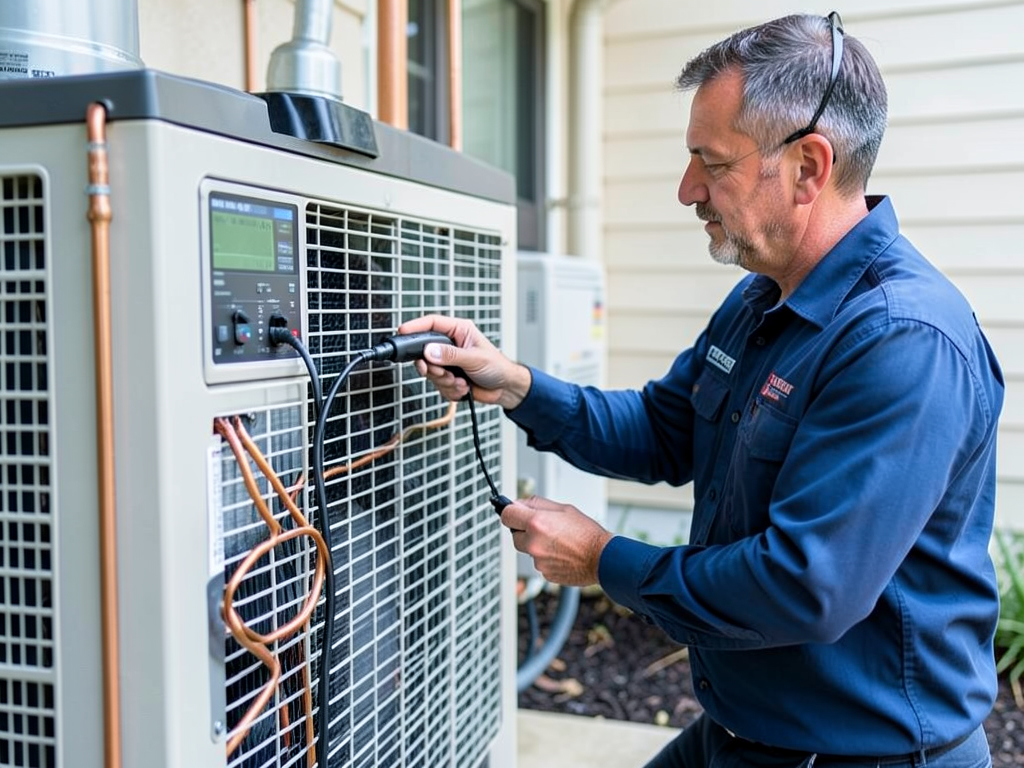
What to Do If Your AC Starts Hissing or Whistling in Magnolia
Hearing a strange hissing or whistling sound from your air conditioner can be alarming. In Magnolia’s hot and humid climate, these noises often signal a developing problem that could lead to a complete system failure. This guide will help you understand what those sounds mean, when to shut your system down immediately, and how to get fast professional help.. Read more about What That Screeching Sound from Your AC Actually Means (Hint—It’s Not Good).
Immediate Safety: When to Shut Off Your AC Right Now
If you hear a loud hissing sound accompanied by a sweet chemical smell or see ice forming on the refrigerant lines, turn off your AC immediately. This could indicate a refrigerant leak, which poses health risks and can damage your compressor. Houston’s high humidity accelerates refrigerant loss, making leaks more common in our climate.. Read more about Keeping Your Towne Lake Media Room Cool Without Hearing the AC Blow.
Similarly, if the hissing is followed by a loud thud or grinding noise, shut down the system. This combination often signals high internal pressure or a failing compressor component. Running the system in this condition can cause catastrophic damage.
Call (281) 552-7766 immediately if you experience any of these warning signs. Our emergency technicians are on call 24/7 for Magnolia and surrounding areas.
The 3 Most Common Causes of AC Hissing Sounds
1. Refrigerant Leaks: The Most Dangerous Cause
Refrigerant leaks create a distinct hissing sound as the high-pressure gas escapes through small holes in the copper lines. In Magnolia’s older homes, corrosion from our humid air often causes pinhole leaks in the evaporator coils or refrigerant lines.
Signs of a refrigerant leak include:
- Hissing or bubbling sounds near the indoor or outdoor unit
- Reduced cooling capacity
- Ice formation on the evaporator coil
- Higher than normal energy bills
According to EPA Section 608 regulations, refrigerant leaks must be repaired by certified technicians. Attempting to recharge the system without fixing the leak is illegal and dangerous. EPA Section 608 certification requirements.
2. Thermostatic Expansion Valve (TXV) Malfunctions
The TXV controls refrigerant flow into the evaporator coil. When this valve fails, it can create a hissing or whistling sound as refrigerant rushes through the restricted opening. Houston’s high humidity puts extra stress on these components, causing them to fail more frequently than in drier climates.
A failing TXV often produces a sound that changes pitch as the system cycles on and off. You might notice the indoor unit cycling more frequently or the air feeling less cool than normal.
3. Internal Compressor Valve Leaks
The compressor contains valves that can develop leaks over time. When these valves fail, you’ll hear a hissing sound from the outdoor unit as refrigerant escapes internally. This is particularly common in older systems or those that have run continuously during Magnolia’s long cooling season.
Compressor valve leaks often sound like a faint hissing or whistling that gets louder as the system runs longer. The sound may be accompanied by reduced cooling efficiency and increased energy consumption.
What Different AC Sounds Actually Mean
Understanding the difference between hissing, whistling, and other AC sounds can help you diagnose problems before they become emergencies. Here’s a comparison of common AC noises:
| Sound Type | Possible Cause | Urgency Level | Action Needed |
|---|---|---|---|
| Hissing (continuous) | Refrigerant leak | High | Shut off immediately, call for emergency service |
| Whistling (intermittent) | TXV restriction | Medium | Schedule service within 24 hours |
| Bubbling/gurgling | Low refrigerant or moisture in lines | Medium | Schedule diagnostic service |
| Hissing with thud | High pressure or compressor failure | Critical | Shut off immediately, emergency service required |
How Houston’s Climate Makes AC Problems Worse
Magnolia’s location in the Greater Houston area means your AC faces unique challenges. Our 80%+ humidity levels create conditions that accelerate component wear and tear in ways that generic HVAC advice doesn’t address.
High humidity causes:
- Increased corrosion on copper refrigerant lines
- Faster degradation of rubber seals and gaskets
- More frequent TXV failures due to moisture contamination
- Higher operating pressures that stress compressor valves
Additionally, Magnolia’s proximity to the Gulf Coast means salt air can accelerate corrosion on outdoor units, especially those within 20-30 miles of the coast. This is why we often see hissing sounds develop earlier in coastal-adjacent neighborhoods.
Diagnostic Tests Our Technicians Perform
When you call for service, our NATE-certified technicians use specific diagnostic procedures to identify the exact cause of hissing sounds. Here’s what happens during a typical diagnostic visit:
- Visual Inspection
We examine all refrigerant lines, coils, and connections for signs of corrosion, oil stains, or physical damage. Houston’s humidity often leaves telltale signs of moisture accumulation around failing components.
- Electronic Leak Detection
Using specialized electronic leak detectors, we scan the entire system for refrigerant leaks. These devices can detect leaks as small as 1/4 ounce per year – crucial for finding the small pinhole leaks common in our humid climate. Finding Emergency AC Repair in Sugar Land Without Getting Ripped Off.
- Pressure Testing
We measure both high and low side pressures to identify abnormal operating conditions. Houston’s extreme summer temperatures can push systems to their pressure limits, revealing weaknesses in valves and seals.
- TXV Performance Check
Using superheat and subcooling measurements, we evaluate TXV function. Our local experience tells us that certain TXV models fail more frequently in high-humidity environments.
Cost Expectations for Common Repairs
Repair costs in the Houston metro area vary based on the specific problem and your system’s age. Here’s what Magnolia homeowners typically pay for hissing-related repairs:
| Repair Type | Typical Cost Range | Time to Complete | Urgency |
|---|---|---|---|
| Refrigerant leak repair | $250 – $1,500 | 1-3 hours | High |
| TXV replacement | $450 – $900 | 2-4 hours | Medium |
| Compressor valve repair | $600 – $1,200 | 3-5 hours | High |
| Complete coil replacement | $1,200 – $2,500 | 4-6 hours | Medium |
These prices reflect current 2026 rates in the Houston area and include parts, labor, and the required EPA certification fees for refrigerant handling.
When Emergency Service Makes Sense
Not every hissing sound requires immediate emergency service, but knowing when to act fast can prevent costly damage. Consider emergency service if: Emergency 24-Hour AC Service for Families in Katy.
- The hissing sound is loud and continuous
- You smell chemicals or see ice on refrigerant lines
- The system isn’t cooling at all
- You hear the hissing along with other unusual noises
- Your home is already hot and you have vulnerable occupants (elderly, infants, medical conditions)
Emergency service in Magnolia typically costs $150-250 more than standard service calls, but this premium ensures you get a technician within 2-4 hours instead of waiting until the next business day. Emergency Boiler Repair.
Prevention Tips for Magnolia Homeowners
While some AC problems are unavoidable, you can reduce the likelihood of hissing sounds developing in your system:
- Schedule bi-annual maintenance – Twice-yearly tune-ups catch small problems before they become major failures, especially important in our humid climate.
- Keep outdoor units clear – Maintain 2-foot clearance around your condenser to ensure proper airflow and prevent debris from damaging coils.
- Monitor your system’s performance – Pay attention to cooling cycles, energy bills, and any new sounds. Early detection is key to preventing expensive repairs.
- Consider a whole-home dehumidifier – Reducing indoor humidity can extend the life of your AC components and prevent many common failures.
Frequently Asked Questions
Is a hissing AC dangerous for my family?
Yes, refrigerant leaks can be dangerous, especially for people with respiratory issues. The sweet smell of refrigerant is a key indicator of a leak. Always shut off the system and ventilate the area if you suspect a leak.
How long can I run my AC if it’s hissing?
Only run it if the sound is faint and you’re waiting for a scheduled service appointment. If the hissing is loud or accompanied by other symptoms, shut it off immediately to prevent damage.
Will my homeowner’s insurance cover AC repairs?
Standard policies typically don’t cover normal wear and tear. However, if the damage results from a covered peril like lightning strike or falling tree, you might have coverage. Check your specific policy details.
Can I fix a refrigerant leak myself?
No. Handling refrigerant requires EPA certification under Section 608 of the Clean Air Act. DIY repairs are illegal and dangerous. Always call a licensed professional.
How can I tell if the sound is coming from the indoor or outdoor unit?
Go to your thermostat and switch the fan to “ON” mode. If the sound stops, it’s likely from the outdoor condenser. If it continues, the indoor unit is the source.
Don’t Wait Until It’s Too Late
Hissing or whistling sounds from your AC are warning signs that shouldn’t be ignored. In Magnolia’s extreme heat, a small problem can quickly escalate into a complete system failure, leaving you without cooling when you need it most.
Call (281) 552-7766 today to schedule your inspection. Our NATE-certified technicians will diagnose the problem quickly and provide upfront pricing before any work begins. We serve Magnolia and all surrounding Houston communities with 24/7 emergency service.
Don’t risk your family’s comfort or your system’s longevity. Pick up the phone and call (281) 552-7766 before the next heat wave hits. Your AC will thank you. For more information, visit U.S. Department of Energy air conditioning guide.
You may also find this helpful. Why Your AC Is Freezing Up Even When It’s 100 Degrees in Sienna.
{
“@context”: “https://schema.org”,
“@type”: “BlogPosting”,
“headline”: “What to Do If Your AC Starts Hissing or Whistling in Magnolia”,
“description”: “Hear a hissing or whistling AC? Learn the 3 most common causes, when it’s dangerous, and how Houston’s humidity affects your system. Call (281) 552-7766 for 24/7 emergency repair.”,
“wordCount”: 1509,
“datePublished”: “2026-04-11T09:28:00.000Z”,
“dateModified”: “2026-04-11T09:28:00.000Z”,
“inLanguage”: “en-US”,
“mainEntityOfPage”: {
“@type”: “WebPage”,
“@id”: “https://titanhvachouston.com”
},
“publisher”: {
“@type”: “LocalBusiness”,
“name”: “Titan HVAC Houston”,
“url”: “https://titanhvachouston.com”
},
“author”: {
“@type”: “Organization”,
“name”: “Titan HVAC Houston”,
“url”: “https://titanhvachouston.com”
},
“image”: {
“@type”: “ImageObject”,
“url”: “https://titanhvachouston.com/wp-content/uploads/2026/03/what-to-do-if-your-ac-starts-hissing-or-whistling-1.png”
}
}
{
“@context”: “https://schema.org”,
“@type”: “HVACBusiness”,
“name”: “Titan HVAC Houston”,
“url”: “https://titanhvachouston.com”,
“address”: {
“@type”: “PostalAddress”,
“addressLocality”: “Houston”
},
“areaServed”: {
“@type”: “City”,
“name”: “Houston”
}
}
{
“@context”: “https://schema.org”,
“@type”: “FAQPage”,
“mainEntity”: [
{
“@type”: “Question”,
“name”: “Is a hissing AC dangerous for my family?”,
“acceptedAnswer”: {
“@type”: “Answer”,
“text”: “Yes, refrigerant leaks can be dangerous, especially for people with respiratory issues. The sweet smell of refrigerant is a key indicator of a leak. Always shut off the system and ventilate the area if you suspect a leak.”
}
},
{
“@type”: “Question”,
“name”: “How long can I run my AC if it’s hissing?”,
“acceptedAnswer”: {
“@type”: “Answer”,
“text”: “Only run it if the sound is faint and you’re waiting for a scheduled service appointment. If the hissing is loud or accompanied by other symptoms, shut it off immediately to prevent damage.”
}
},
{
“@type”: “Question”,
“name”: “Will my homeowner’s insurance cover AC repairs?”,
“acceptedAnswer”: {
“@type”: “Answer”,
“text”: “Standard policies typically don’t cover normal wear and tear. However, if the damage results from a covered peril like lightning strike or falling tree, you might have coverage. Check your specific policy details.”
}
},
{
“@type”: “Question”,
“name”: “Can I fix a refrigerant leak myself?”,
“acceptedAnswer”: {
“@type”: “Answer”,
“text”: “No. Handling refrigerant requires EPA certification under Section 608 of the Clean Air Act. DIY repairs are illegal and dangerous. Always call a licensed professional.”
}
},
{
“@type”: “Question”,
“name”: “How can I tell if the sound is coming from the indoor or outdoor unit?”,
“acceptedAnswer”: {
“@type”: “Answer”,
“text”: “Go to your thermostat and switch the fan to \”ON\” mode. If the sound stops, it’s likely from the outdoor condenser. If it continues, the indoor unit is the source.”
}
}
]
}
{
“@context”: “https://schema.org”,
“@type”: “HowTo”,
“name”: “AC Hissing Sound Diagnostic Process”,
“step”: [
{
“@type”: “HowToStep”,
“position”: 1,
“name”: “Visual Inspection”,
“text”: “We examine all refrigerant lines, coils, and connections for signs of corrosion, oil stains, or physical damage. Houston’s humidity often leaves telltale signs of moisture accumulation around failing components.”
},
{
“@type”: “HowToStep”,
“position”: 2,
“name”: “Electronic Leak Detection”,
“text”: “Using specialized electronic leak detectors, we scan the entire system for refrigerant leaks. These devices can detect leaks as small as 1/4 ounce per year – crucial for finding the small pinhole leaks common in our humid climate. Finding Emergency AC Repair in Sugar Land Without Getting Ripped Off.”
},
{
“@type”: “HowToStep”,
“position”: 3,
“name”: “Pressure Testing”,
“text”: “We measure both high and low side pressures to identify abnormal operating conditions. Houston’s extreme summer temperatures can push systems to their pressure limits, revealing weaknesses in valves and seals.”
},
{
“@type”: “HowToStep”,
“position”: 4,
“name”: “TXV Performance Check”,
“text”: “Using superheat and subcooling measurements, we evaluate TXV function. Our local experience tells us that certain TXV models fail more frequently in high-humidity environments.”
}
],
“image”: “https://titanhvachouston.com/wp-content/uploads/2026/03/what-to-do-if-your-ac-starts-hissing-or-whistling-1.png”
}
{
“@context”: “https://schema.org”,
“@type”: “BreadcrumbList”,
“itemListElement”: [
{
“@type”: “ListItem”,
“position”: 1,
“name”: “Home”,
“item”: “https://titanhvachouston.com”
},
{
“@type”: “ListItem”,
“position”: 2,
“name”: “Blog”,
“item”: “https://titanhvachouston.com/blog”
},
{
“@type”: “ListItem”,
“position”: 3,
“name”: “What to Do If Your AC Starts Hissing or Whistling in Magnolia”
}
]
}
{
“@context”: “https://schema.org”,
“@type”: “Service”,
“serviceType”: “HVAC”,
“provider”: {
“@type”: “LocalBusiness”,
“name”: “Titan HVAC Houston”,
“url”: “https://titanhvachouston.com”
},
“areaServed”: {
“@type”: “City”,
“name”: “Houston”
},
“description”: “Hear a hissing or whistling AC? Learn the 3 most common causes, when it’s dangerous, and how Houston’s humidity affects your system. Call (281) 552-7766 for 24/7 emergency repair.”
}