
Building a home theater in Towne Lake means creating the perfect environment for entertainment. But when the air conditioner kicks on during a movie, that hum can shatter the immersive experience. The challenge is keeping your media room cool without the noise of traditional HVAC systems interrupting your audio.. Read more about The Pros and Cons of Smart Vent Systems for River Oaks Estates.
Sound is measured in decibels and even a standard AC unit running at 50-60 dB can be heard clearly in a quiet theater. Professional-grade home cinemas target Noise Criteria (NC) ratings between 20-25, which means you need specialized equipment and design to achieve that level of silence while still managing Houston’s intense heat and humidity.. Read more about Dealing with Specialized HVAC Requirements for High-Rise Condos Near the Galleria.
The solution starts with understanding how sound travels through your HVAC system. Every duct, register, and fan creates vibration that becomes audible noise. By controlling airflow velocity, using sound-dampening materials, and selecting the right equipment, you can maintain comfortable temperatures without compromising audio quality.
Understanding the Science of Quiet HVAC

Traditional HVAC systems move large volumes of air quickly to cool spaces efficiently. This creates the whooshing sound you hear when vents open. In a media room, that same airflow needs to be slowed down significantly. Lower velocity means less turbulence and dramatically reduced noise levels. Why Your Memorial Home Needs a High-Efficiency AC Unit Right Now.
The key measurement here is cubic feet per minute (CFM) per register. Standard rooms might need 100-150 CFM moving at 600-800 feet per minute. A quiet theater design reduces that to 40-60 CFM moving at under 300 feet per minute. This gentle airflow maintains temperature without creating audible disturbance.
Sound pressure level also matters. Every 10 dB reduction feels like cutting the noise in half to human ears. Moving from 50 dB to 25 dB makes the system virtually silent in a theater environment. This requires variable-speed compressors that can adjust output precisely rather than cycling on and off at full power.
Essential Components for Silent Theater Cooling
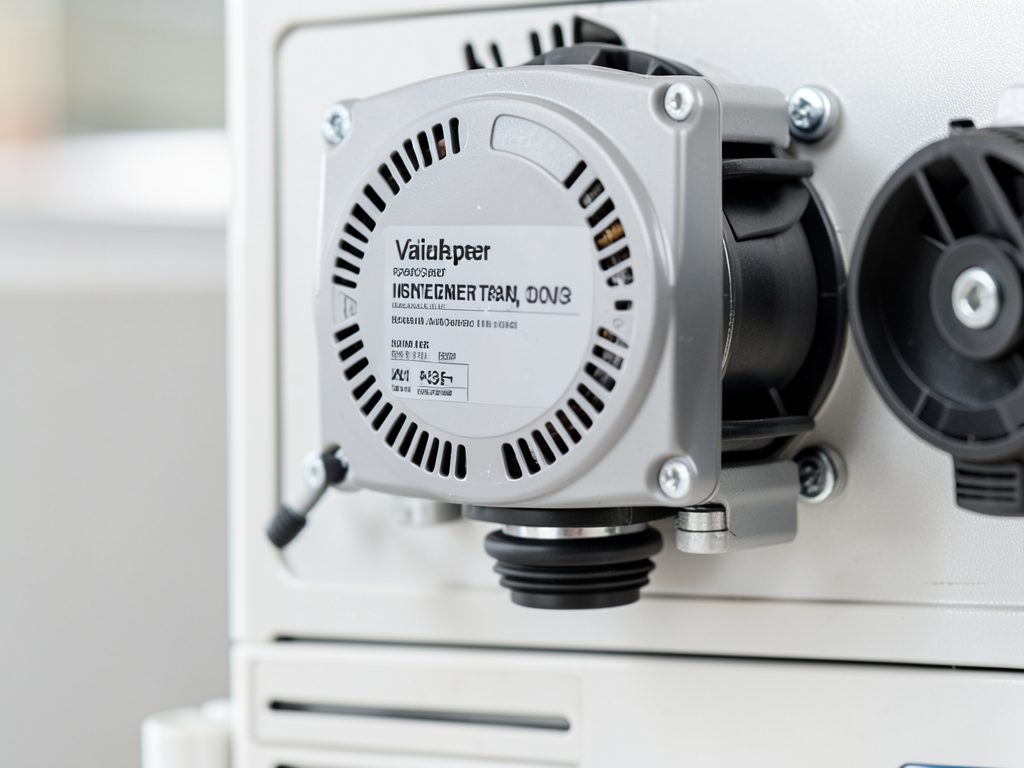
Variable-speed inverter technology forms the foundation of quiet HVAC systems. Unlike traditional single-stage units that run at 100% capacity or shut off completely, inverter-driven compressors adjust their speed continuously. This means the system can maintain exact temperatures without the loud startup and shutdown cycles that create the most noise.
Sound-dampening duct liners absorb vibrations before they become audible. These acoustic materials line the inside of ductwork, converting sound energy into small amounts of heat. Combined with flexible duct connectors that isolate vibration from rigid structures, this creates a comprehensive noise-reduction system.
Low-noise air handlers use specialized fan blade designs and vibration isolation mounts. The motors are often mounted on rubber pads that prevent vibration transfer to building structures. Some premium units include sound blankets around the entire cabinet for additional noise reduction.
Houston’s Climate Challenges for Media Rooms
Texas summers push air conditioning systems to their limits. In Towne Lake, where summer temperatures regularly exceed 95°F with humidity above 70%, your media room HVAC must handle both high sensible heat (from people and equipment) and latent heat (from moisture in the air).
Home theater equipment generates significant heat. A high-end projector can produce 300-500 watts of heat, while multiple amplifiers and receivers add another 200-400 watts. This concentrated heat load requires precise cooling capacity without the noise of oversized systems cycling frequently.
Humidity control becomes critical in Houston’s climate. Standard AC systems remove moisture as a byproduct of cooling, but this process can create temperature swings that trigger noisy compressor cycles. Dedicated dehumidification systems maintain consistent humidity around 45-55% without the temperature fluctuations that cause cycling.
Ductless Mini-Split vs. Ducted Low-Velocity Systems
Ductless mini-split systems offer excellent noise performance for dedicated spaces. The indoor units can achieve sound levels as low as 19-25 dB, making them nearly silent. These systems excel at zoning, allowing you to cool only the media room without affecting the rest of your home.
However, ductless units have limitations. They require wall or ceiling penetration for installation, which may conflict with acoustic treatments or projector mounting. Multiple indoor units also create more potential noise sources than a single centralized system. What a New AC Installation Actually Costs in The Woodlands.
Ducted low-velocity systems provide centralized control with superior noise isolation. By keeping the noisy components in an equipment closet or attic space away from the theater, you eliminate most sound transmission. These systems use oversized ducts and low-speed fans to move air quietly through the space.
Acoustic Engineering Solutions
Sound baffles and attenuators installed in ductwork absorb specific frequencies before they reach your listening area. These devices look like metal boxes with internal chambers that trap and dissipate sound energy. They’re particularly effective at reducing the low-frequency rumble that carries through walls.
Plenum boxes act as sound chambers where air velocity drops before entering the room. By expanding the duct cross-section, these boxes reduce air speed and turbulence. They also provide space for additional sound-absorbing materials without restricting airflow.
Flexible ducting between rigid sections breaks the path for vibration transmission. The corrugated interior of flex duct creates turbulence that actually helps scatter sound waves, while the flexible material absorbs vibrations that would otherwise travel through rigid metal ducts.
Maintenance for Whisper-Quiet Performance
Regular maintenance ensures your quiet system stays silent. Dirty filters restrict airflow, forcing fans to work harder and create more noise. Check and replace filters every 60-90 days, or more frequently if you have pets or live in a dusty area.
Coil cleaning prevents the system from working harder than necessary. When evaporator and condenser coils accumulate dirt, the compressor runs longer cycles trying to achieve the same cooling effect. This extended operation increases both energy consumption and noise levels.
Lubrication of fan motors and bearings prevents the high-pitched whines that indicate wear. Most modern systems are sealed and don’t require regular lubrication, but annual professional inspection can catch developing issues before they become noisy problems.
Professional Installation Considerations
Proper sizing through Manual J calculations ensures your system isn’t oversized or undersized. An oversized unit cycles on and off frequently, creating the most noise during startup. A properly sized system runs longer, steadier cycles at lower speeds.
Equipment location matters significantly. Compressors mounted on vibration isolation pads prevent noise transfer to building structures. Indoor units placed away from walls shared with the theater reduce sound transmission through structural elements.
Smart thermostats with temperature and humidity sensors allow the system to respond to actual conditions rather than scheduled cycles. This prevents unnecessary operation during times when the theater isn’t in use, extending equipment life and reducing noise exposure.
Cost Considerations and Energy Efficiency
Quiet HVAC systems typically cost 20-30% more than standard equipment due to specialized components and engineering requirements. However, variable-speed technology often provides 30-40% energy savings compared to single-stage units, potentially offsetting the higher initial investment over time.
SEER2 ratings measure cooling efficiency, with higher numbers indicating better performance. For Houston’s climate, units rated 18 SEER2 or higher provide the best balance of efficiency and quiet operation. These premium units often include the advanced sound-dampening features needed for theater applications.
CenterPoint Energy offers rebates for high-efficiency HVAC installations that meet specific criteria. These incentives can reduce the effective cost of premium quiet systems, making professional-grade theater cooling more accessible for Towne Lake homeowners.
Case Study: Towne Lake Theater Installation
A recent installation in the Towne Lake subdivision demonstrates these principles in action. The 400-square-foot media room required 12,000 BTU of cooling capacity but needed to maintain NC 25 sound levels. The solution combined a 9,000 BTU ductless mini-split with dedicated dehumidification.
The indoor unit was mounted in a utility closet with sound-rated doors and additional insulation. Flexible duct connectors and acoustic liners in the supply and return ducts reduced noise transmission to under 28 dB at the theater entrance. The system maintains 72°F with 48% relative humidity while remaining virtually silent during operation.
Post-installation testing showed the system achieved target temperatures within 15 minutes of startup, with sound levels remaining below 25 dB throughout the cooling cycle. The homeowner reports they only know the system is running by feeling the gentle airflow near the registers.
Frequently Asked Questions
How much quieter is a theater HVAC system compared to standard residential equipment?
Theater HVAC systems target 25 dB or lower, while standard residential units typically operate at 50-60 dB. This 25-35 dB reduction makes the theater system approximately 50-100 times quieter to human perception.
Can I retrofit my existing system to make it quieter for my media room?
Yes, many existing systems can be modified with acoustic duct liners, sound baffles, and variable-speed controls. However, achieving true theater-level quiet often requires replacing the indoor unit with a specialized low-noise model.
What’s the ideal temperature and humidity for a home theater?
Most experts recommend 72-74°F with 45-55% relative humidity. This range prevents equipment overheating while maintaining comfort and protecting acoustic treatments and seating materials.
How long does installation take for a quiet theater HVAC system?
Professional installation typically requires 1-2 days for ductless systems and 2-4 days for ducted installations. This includes equipment mounting, duct modifications, and system commissioning with noise testing.
Will a quiet system cost more to operate than a standard unit?
No, variable-speed systems often cost less to operate. They run more efficiently at partial load, where most theater cooling occurs. The energy savings typically offset the higher equipment cost within 3-5 years.
Getting Started with Your Theater HVAC Project
Planning a quiet HVAC system for your Towne Lake media room requires balancing multiple factors: cooling capacity, noise levels, energy efficiency, and installation complexity. The right solution depends on your specific space, equipment heat load, and acoustic requirements.
Professional evaluation starts with a heat load calculation that accounts for people, equipment, and Houston’s climate factors. This determines the exact cooling capacity needed without oversizing, which causes noise and inefficiency.
Sound testing during the planning phase identifies potential noise transmission paths through walls, floors, and ceilings. This allows for targeted acoustic treatments that address specific problem areas rather than applying general solutions.. Read more about Why High Ceilings in Your Bridgeland Living Room Make Cooling More Difficult.
Call (281) 552-7766 today to schedule your theater HVAC consultation. Our technicians understand the unique challenges of Houston’s climate and can design a system that keeps your media room perfectly cool without interrupting your entertainment. For more information, visit Department of Energy air conditioning guide. For more information, visit EPA humidity control recommendations.
You may also find this helpful. The Best Way to Cool a New Mother-In-Law Suite in Porter.
You may also find this helpful. Managing the Extra Heat from Your New Home Gym in the Washington Corridor.
{
“@context”: “https://schema.org”,
“@type”: “BlogPosting”,
“headline”: “Keeping Your Towne Lake Media Room Cool Without Hearing the AC Blow”,
“description”: “Discover quiet HVAC solutions for Towne Lake home theaters. Learn how to balance cooling power with silence using variable-speed systems and acoustic engineering.”,
“wordCount”: 1715,
“datePublished”: “2026-04-30T10:08:00.000Z”,
“dateModified”: “2026-04-30T10:08:00.000Z”,
“inLanguage”: “en-US”,
“mainEntityOfPage”: {
“@type”: “WebPage”,
“@id”: “https://titanhvachouston.com”
},
“publisher”: {
“@type”: “LocalBusiness”,
“name”: “Titan HVAC Houston”,
“url”: “https://titanhvachouston.com”
},
“author”: {
“@type”: “Organization”,
“name”: “Titan HVAC Houston”,
“url”: “https://titanhvachouston.com”
},
“image”: {
“@type”: “ImageObject”,
“url”: “https://titanhvachouston.com/wp-content/uploads/2026/03/keeping-your-towne-lake-media-room-cool-without-he-1.png”
}
}
{
“@context”: “https://schema.org”,
“@type”: “HVACBusiness”,
“name”: “Titan HVAC Houston”,
“url”: “https://titanhvachouston.com”,
“address”: {
“@type”: “PostalAddress”,
“addressLocality”: “Houston”
},
“areaServed”: {
“@type”: “City”,
“name”: “Houston”
}
}
{
“@context”: “https://schema.org”,
“@type”: “FAQPage”,
“mainEntity”: [
{
“@type”: “Question”,
“name”: “How much quieter is a theater HVAC system compared to standard residential equipment?”,
“acceptedAnswer”: {
“@type”: “Answer”,
“text”: “Theater HVAC systems target 25 dB or lower, while standard residential units typically operate at 50-60 dB. This 25-35 dB reduction makes the theater system approximately 50-100 times quieter to human perception.”
}
},
{
“@type”: “Question”,
“name”: “Can I retrofit my existing system to make it quieter for my media room?”,
“acceptedAnswer”: {
“@type”: “Answer”,
“text”: “Yes, many existing systems can be modified with acoustic duct liners, sound baffles, and variable-speed controls. However, achieving true theater-level quiet often requires replacing the indoor unit with a specialized low-noise model.”
}
},
{
“@type”: “Question”,
“name”: “What’s the ideal temperature and humidity for a home theater?”,
“acceptedAnswer”: {
“@type”: “Answer”,
“text”: “Most experts recommend 72-74°F with 45-55% relative humidity. This range prevents equipment overheating while maintaining comfort and protecting acoustic treatments and seating materials.”
}
},
{
“@type”: “Question”,
“name”: “How long does installation take for a quiet theater HVAC system?”,
“acceptedAnswer”: {
“@type”: “Answer”,
“text”: “Professional installation typically requires 1-2 days for ductless systems and 2-4 days for ducted installations. This includes equipment mounting, duct modifications, and system commissioning with noise testing.”
}
},
{
“@type”: “Question”,
“name”: “Will a quiet system cost more to operate than a standard unit?”,
“acceptedAnswer”: {
“@type”: “Answer”,
“text”: “No, variable-speed systems often cost less to operate. They run more efficiently at partial load, where most theater cooling occurs. The energy savings typically offset the higher equipment cost within 3-5 years.”
}
}
]
}
{
“@context”: “https://schema.org”,
“@type”: “BreadcrumbList”,
“itemListElement”: [
{
“@type”: “ListItem”,
“position”: 1,
“name”: “Home”,
“item”: “https://titanhvachouston.com”
},
{
“@type”: “ListItem”,
“position”: 2,
“name”: “Blog”,
“item”: “https://titanhvachouston.com/blog”
},
{
“@type”: “ListItem”,
“position”: 3,
“name”: “Keeping Your Towne Lake Media Room Cool Without Hearing the AC Blow”
}
]
}
{
“@context”: “https://schema.org”,
“@type”: “Service”,
“serviceType”: “HVAC”,
“provider”: {
“@type”: “LocalBusiness”,
“name”: “Titan HVAC Houston”,
“url”: “https://titanhvachouston.com”
},
“areaServed”: {
“@type”: “City”,
“name”: “Houston”
},
“description”: “Discover quiet HVAC solutions for Towne Lake home theaters. Learn how to balance cooling power with silence using variable-speed systems and acoustic engineering.”
}