
Why Proper Attic Ventilation is Just as Important as Your AC Unit in Richmond
Attic ventilation in Richmond homes directly impacts your energy bills, indoor air quality, and roof longevity. Poor ventilation traps Houston’s extreme humidity, causing mold growth, shingle damage, and forcing your AC to work overtime. This guide explains why ventilation deserves equal attention to your cooling system and how to identify problems before they cost you thousands.. Read more about How a Professional Home Energy Audit Saves You Money on Cooling in Humble.
Understanding Attic Ventilation in Houston’s Climate
Houston’s Gulf Coast climate creates unique attic ventilation challenges. Summer temperatures regularly exceed 95°F, while humidity levels often hover above 80%. This combination creates a perfect storm for moisture problems that standard building practices weren’t designed to handle.
Attic ventilation works through the principle of air movement. Hot air rises and escapes through upper vents, while cooler air enters through lower vents. This continuous cycle prevents heat and moisture buildup that damages your home from the inside out.. Read more about Stopping Mold Growth Inside Your Air Handler Near the Humidity of Clear Lake.
Richmond homes face specific ventilation issues due to local building patterns. Many properties were constructed during rapid development phases when ventilation standards weren’t strictly enforced. Additionally, Richmond’s proximity to the Gulf means salt-laden air accelerates metal component corrosion in attic systems.
Key Components of a Proper Attic Ventilation System
Effective attic ventilation requires both intake and exhaust components working together. Intake vents typically include soffit vents along the eaves, while exhaust vents consist of ridge vents, gable vents, or powered attic fans.
The International Residential Code (IRC) Section R806 mandates minimum ventilation requirements based on attic square footage. For most Richmond homes, this translates to one square foot of net free ventilation area for every 150 square feet of attic space.
Net Free Area (NFA) represents the actual open space available for air movement after accounting for louvers, screens, and other obstructions. Many Richmond homeowners discover their existing vents provide only 50-70% of the required NFA.
Warning Signs Your Attic Ventilation Needs Attention
Several indicators suggest ventilation problems in Richmond homes. Attic temperatures exceeding 130°F during summer months signal inadequate exhaust capacity. You can check this by placing a thermometer in your attic around 3 PM on a sunny day.
Moisture damage manifests as dark spots on rafters, rusted nail heads, or warped roof decking. These issues often appear near bathroom exhaust vents where warm, moist air meets cooler attic surfaces.
Ice dam formation during rare Houston freezes indicates poor ventilation. When warm attic air melts snow on the roof surface, refreezing at the eaves creates damaging ice dams that force water under shingles.
High energy bills provide another clue. If your AC runs constantly yet struggles to maintain comfortable temperatures, your attic may be radiating heat into living spaces through the ceiling.
Common Ventilation Problems in Richmond Properties
Many Richmond homes suffer from blocked soffit vents. Insulation installers often push fiberglass batts too far into eaves, covering critical intake vents. This creates a ventilation dead zone that traps heat and moisture.
Improper vent placement causes short-circuiting. When intake and exhaust vents align vertically, air flows directly between them rather than drawing from the soffits. This eliminates the stack effect that drives proper ventilation.
Pest infestations frequently block ventilation pathways. Rodents, birds, and insects build nests in vent openings, reducing airflow by 30-50%. Richmond’s proximity to green spaces and water sources increases pest pressure on attic systems.
Roof design limitations affect some Richmond properties. Complex rooflines with multiple valleys and dormers create ventilation challenges that require specialized solutions beyond standard ridge-and-soffit systems.
Ventilation Solutions for Richmond Homes
Solar-powered attic fans offer an excellent solution for Richmond’s sunny climate. These units operate without increasing electricity costs while providing consistent airflow during peak heat hours. Modern solar fans include thermostats that activate only when temperatures exceed 95°F.
Ridge vents provide continuous exhaust along the roof peak. When properly installed with adequate soffit intake, ridge vents can reduce attic temperatures by 20-30°F compared to non-ventilated attics.
Power vents with humidistats offer precise climate control. These units monitor both temperature and humidity, activating when either exceeds preset thresholds. This prevents the condensation issues common in Richmond’s humid environment.
Radiant barriers complement ventilation by reflecting radiant heat before it enters the attic space. When installed beneath roof decking, these barriers can reduce heat gain by up to 40%.
Energy Efficiency Benefits of Proper Ventilation
Improving attic ventilation can reduce cooling costs by 15-25% in Richmond homes. This translates to annual savings of $200-400 for typical households, with payback periods of 2-4 years for ventilation upgrades.
Reduced AC runtime extends equipment life. Every hour your system runs represents wear on compressors, fans, and electrical components. Proper ventilation can add 2-3 years to AC lifespan by reducing operating hours.
Peak demand reduction benefits both homeowners and the grid. During heat waves, Richmond’s electrical infrastructure faces maximum stress. Homes with efficient attic ventilation place less strain on the system during critical periods.
Improved indoor comfort results from better temperature control. Homes with proper attic ventilation maintain more consistent temperatures between floors and reduce hot spots that plague poorly ventilated structures.
Professional Assessment Process
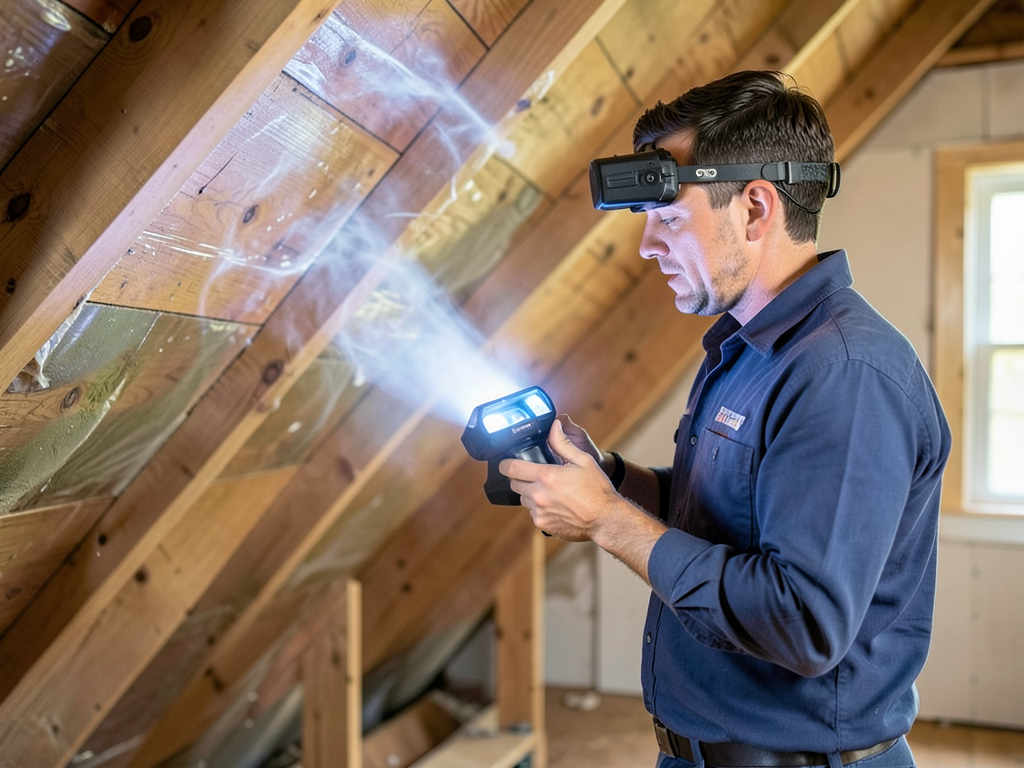
Comprehensive attic ventilation assessment begins with thermal imaging to identify heat patterns and moisture accumulation. This non-invasive technique reveals problem areas without disturbing insulation or finishes.
Airflow calculations determine whether existing ventilation meets code requirements. Technicians use specialized software to model attic dynamics based on roof pitch, vent locations, and local climate data.
Moisture content testing identifies hidden problems. Using moisture meters, technicians check wood framing for elevated moisture levels that indicate ventilation deficiencies.
Visual inspection examines vent integrity, looking for damage, blockages, or improper installation. This includes checking for animal nests, debris accumulation, and weather damage. What a New AC Installation Actually Costs in The Woodlands.
Cost Considerations and ROI
Ventilation improvements range from simple fixes to complete system overhauls. Basic vent cleaning and obstruction removal costs $150-300, while comprehensive system upgrades range from $1,500-4,000 depending on attic size and existing conditions.
Energy savings provide the primary return on investment. At current electricity rates, most ventilation improvements pay for themselves within 3-5 years through reduced cooling costs.
Roof longevity represents another significant benefit. Proper ventilation can extend shingle life by 5-10 years, potentially saving $5,000-10,000 in premature replacement costs.
Property value increases result from improved energy efficiency. Homes with documented ventilation improvements often appraise higher and sell faster than comparable properties with ventilation issues.
Maintenance Requirements
Annual ventilation system maintenance prevents most common problems. This includes cleaning vent screens, checking fan operation, and inspecting for pest activity.
Seasonal adjustments may be necessary. Some Richmond homeowners benefit from winterizing power vents to prevent heat loss during cooler months, then reactivating them for summer cooling.
Debris removal from roof areas prevents vent blockage. Leaves, pine needles, and other organic matter accumulate in valleys and around vent bases, reducing airflow over time.
Professional inspections every 2-3 years identify developing issues before they cause significant damage. These inspections typically cost $100-200 and include thermal imaging and moisture testing.
Frequently Asked Questions
How much does attic ventilation improvement cost in Richmond?
Costs vary based on home size and existing conditions. Basic improvements start around $300, while comprehensive system upgrades range from $1,500-4,000. Most homeowners see 15-25% reduction in cooling costs.
Can I install attic ventilation myself?
While some basic improvements are DIY-friendly, proper ventilation requires understanding building codes, roof penetration techniques, and attic dynamics. Improper installation can cause roof leaks, code violations, or reduced effectiveness.
How do I know if my attic ventilation is working properly?
Signs of good ventilation include attic temperatures within 10-15°F of outdoor temperatures, no visible moisture damage, and reasonable cooling costs. Professional assessment using thermal imaging provides definitive answers.
Will improving ventilation affect my heating costs?
Properly designed ventilation systems minimize heat loss while preventing moisture buildup. In Richmond’s mild winters, the impact on heating costs is minimal compared to cooling season benefits.
How long does ventilation improvement take to complete?
Most ventilation projects complete in one day. Simple vent additions or cleaning take 2-4 hours, while comprehensive system installations require 6-8 hours depending on attic access and roof complexity.
Choosing the Right Ventilation Solution
Selection depends on several factors including roof design, existing ventilation, budget, and specific problems. Homes with complex rooflines often benefit from powered ventilation systems, while simpler designs may achieve adequate results with passive vents.
Climate considerations affect system choice. Richmond’s high humidity makes moisture control as important as temperature management. Systems with humidity sensors prevent condensation issues that plague basic temperature-only controls.
Building code compliance ensures safety and effectiveness. Current IRC requirements specify minimum ventilation ratios and prohibit certain vent combinations that create airflow conflicts.
Long-term reliability matters for system selection. Solar-powered units eliminate operating costs but may provide insufficient airflow during extended cloudy periods. Hybrid systems offer backup capability for critical applications.
Environmental Impact
Improved attic ventilation reduces carbon footprint by decreasing AC runtime. A typical Richmond home saves 1,500-2,500 kWh annually through ventilation improvements, equivalent to removing 0.5-1 tons of CO2 emissions.
Reduced roof temperature extends shingle life, decreasing landfill waste from premature replacement. Asphalt shingles contain petroleum products that persist in landfills for centuries.
Energy grid benefits extend beyond individual homes. Reduced peak demand during heat waves decreases the need for additional power generation infrastructure, benefiting the entire community.
Water conservation results from reduced AC condensate. Every hour your AC doesn’t run means hundreds of gallons of water saved from drain lines over a cooling season.
Local Building Considerations
Richmond’s building codes require compliance with current IRC standards. Permits may be necessary for significant ventilation modifications, particularly those involving roof penetrations or electrical work.
Houston’s extreme weather patterns influence ventilation design. Hurricane-resistant vent installations and wind-rated components ensure systems remain functional during severe storms.
Energy efficiency mandates affect new construction. Homes built after 2015 must meet stricter ventilation requirements, often necessitating powered ventilation systems in addition to passive vents.
Homeowner association restrictions may limit certain ventilation options. Some Richmond communities prohibit visible roof-mounted equipment or require specific color matching for aesthetic consistency.
Professional vs. DIY Considerations
Professional installation ensures code compliance and optimal performance. HVAC contractors understand local building requirements, proper vent sizing, and integration with existing systems.
Safety considerations favor professional work. Attic spaces present fall hazards, electrical risks, and confined space concerns that experienced technicians handle routinely.
Warranty protection requires professional installation for many ventilation products. DIY work often voids manufacturer warranties, eliminating protection against premature failure.
Time efficiency favors professionals for comprehensive projects. What might take a homeowner several weekends can often complete in one day with proper tools and experience.
Integration with Other Home Systems
Ventilation works best when coordinated with insulation upgrades. Proper ventilation without adequate insulation provides limited benefits, while insulation without ventilation can trap moisture and reduce effectiveness.
HVAC system sizing affects ventilation requirements. Oversized AC units cycle frequently, reducing dehumidification effectiveness. Proper ventilation helps manage humidity between cooling cycles.
Smart home integration offers advanced control options. Modern ventilation systems connect to home automation platforms, allowing remote monitoring and optimization based on weather forecasts and occupancy patterns.
Solar readiness considerations affect system choice. Homes planning future solar installations may benefit from ventilation systems that integrate with or complement photovoltaic arrays.
Case Studies: Richmond Success Stories
A 2,500-square-foot Richmond home reduced summer cooling costs by 22% after installing solar-powered attic fans and cleaning blocked soffit vents. The $2,100 investment paid for itself in 2.8 years through energy savings alone.
Another property eliminated chronic mold problems by upgrading to a powered ventilation system with humidity control. The $3,200 improvement prevented an estimated $8,000 in mold remediation and structural repairs. EPA indoor air quality guidelines.
A historic Richmond home maintained its architectural integrity while improving ventilation through discreet ridge vent installation and internal power vent placement. Energy costs decreased 18% without visible exterior modifications.
Multi-story homes benefit most from comprehensive ventilation upgrades. One Richmond property reduced second-floor temperatures by 8°F through attic ventilation improvements, eliminating the need for additional cooling equipment.
Future Trends in Attic Ventilation
Smart ventilation systems represent the next evolution. These units use weather data, occupancy patterns, and energy prices to optimize operation timing and intensity.
Building-integrated ventilation incorporates vents into roofing materials during manufacturing. This approach reduces installation costs and improves aesthetic integration.
Energy recovery ventilators (ERVs) bring fresh air into homes while recovering cooling energy from exhaust air. These systems provide ventilation without the energy penalty of simple exhaust-only approaches.
Solar-powered systems continue improving in efficiency and reliability. Next-generation units operate effectively with 30-40% less sunlight than current models, expanding viable installation locations.
Making the Decision
Attic ventilation improvement represents a strategic investment in home comfort and efficiency. The combination of energy savings, extended equipment life, and prevented damage often delivers superior returns compared to many home improvement projects.
Professional assessment provides the information needed for informed decisions. Thermal imaging, airflow calculations, and moisture testing reveal specific problems and quantify potential improvements.
Budget considerations affect solution selection. While comprehensive systems provide maximum benefits, targeted improvements addressing specific problems often deliver excellent returns at lower costs.
Timing decisions depend on current problems and future plans. Homes with existing moisture damage or high cooling costs benefit most from immediate improvements, while others may plan upgrades as part of broader energy efficiency initiatives.
Take Action Today
Don’t let another Houston summer strain your AC and damage your home from the inside out. Proper attic ventilation provides immediate comfort improvements and long-term protection for your investment.
Call (281) 552-7766 today to schedule your comprehensive attic ventilation assessment. Our experienced technicians will identify problems, calculate potential savings, and recommend solutions tailored to your Richmond home’s specific needs. Why Your Memorial Home Needs a High-Efficiency AC Unit Right Now.
Pick up the phone and call (281) 552-7766 before the next heat wave hits. Your AC will thank you, your energy bills will drop, and your home will stay comfortable all summer long.
Don’t wait until moisture damage requires expensive repairs. Contact us now at (281) 552-7766 to protect your Richmond home with professional attic ventilation solutions. For more information, visit Energy.gov attic ventilation guide.
You may also find this helpful. The Best Ways to Cool a Garage Workshop in Sharpstown.