
Why Your AC Keeps Turning On and Off Every Five Minutes in Copperfield
Your AC should run in steady 15-20 minute cycles to properly cool your home. When it turns on and off every five minutes, that’s called short cycling. This constant starting and stopping wastes energy, strains your compressor, and leaves your home uncomfortable. In Copperfield’s hot, humid climate, this problem is especially common and needs immediate attention. Why Your Memorial Home Needs a High-Efficiency AC Unit Right Now.
Short cycling can happen for several reasons. Sometimes it’s a simple fix like a dirty air filter. Other times it signals a serious issue like low refrigerant or an oversized unit. The constant on-off pattern prevents your system from completing a full cooling cycle, which means poor temperature control and excessive wear on expensive components.. Read more about Why the R-22 Phase Out Means Your Aging Sienna AC System Needs a Strategy.
Copperfield homes, built mostly in the 1970s-1990s, often have aging HVAC systems that weren’t sized for today’s cooling demands. The area’s clay soil can also cause foundation shifts that affect outdoor unit stability. These local factors make short cycling a frequent issue for Copperfield homeowners.
Before calling for service, check your air filter and thermostat settings. If those look good but the problem continues, you likely need professional diagnosis. A qualified HVAC technician can test refrigerant levels, check electrical components, and verify your system’s proper sizing using Manual J calculations.
Common Causes of AC Short Cycling
Several issues can cause your AC to short cycle. Understanding these causes helps you identify the problem and decide whether it’s a DIY fix or needs professional attention.
Dirty Air Filters restrict airflow, causing your system to overheat and shut down prematurely. When airflow drops, the evaporator coil can freeze, triggering safety switches that turn off the compressor. Replace your filter every 1-3 months, especially during heavy use seasons.
Low Refrigerant Levels force your AC to work harder and cycle more frequently. Refrigerant doesn’t get used up during normal operation, so low levels indicate a leak. Common leak locations include evaporator coils, copper lines, and Schrader valves. EPA regulations require certified technicians to handle refrigerant.
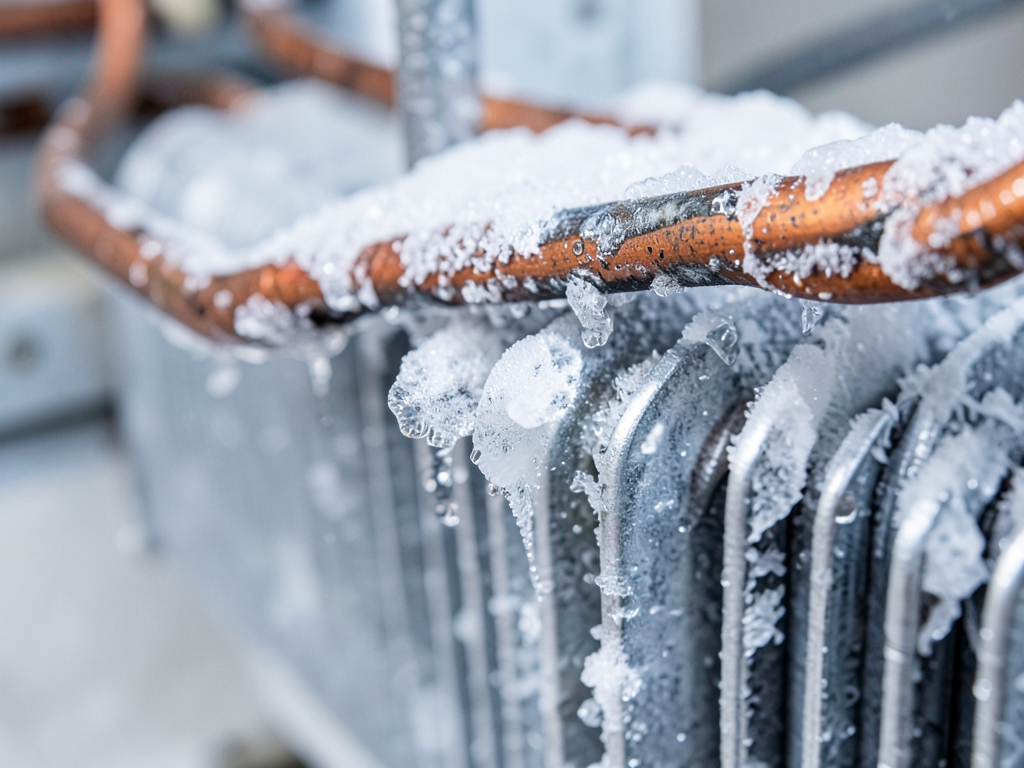
Frozen Evaporator Coils occur when airflow is restricted or refrigerant is low. Ice buildup on the coil triggers safety controls that shut down the system. Once the ice melts, the system restarts only to freeze again, creating the short cycling pattern.
Oversized AC Units are surprisingly common in Houston new construction. A unit that’s too large cools the space too quickly without running long enough to remove humidity. This creates uncomfortable conditions and wastes energy. Manual J load calculations determine the correct size for your home.
Faulty Thermostat Sensors can misread temperatures, causing the system to shut off before reaching the set point. Poor thermostat placement near heat sources or in direct sunlight also causes erratic cycling behavior.
Electrical Issues like failing capacitors or contactors can cause intermittent operation. These components control the compressor and fan motors. When they start failing, you’ll notice the system struggling to start or shutting off unexpectedly.
Clogged Condensate Drain Lines trigger safety switches in many modern systems. Houston’s humidity creates perfect conditions for algae growth in drain lines. When these lines clog, the system shuts down to prevent water damage.
How Houston Humidity Makes Short Cycling Worse
Copperfield’s location in Fort Bend County exposes homes to extreme humidity levels, often exceeding 80% during summer months. This moisture-rich air creates unique challenges for air conditioning systems.
High humidity forces your AC to work harder at dehumidification. When short cycling occurs, the system doesn’t run long enough to remove moisture effectively. This leaves your home feeling clammy despite cool temperatures. The ideal indoor humidity range is 30-50%, but short cycling prevents reaching these levels.
Copperfield’s clay soil expands and contracts with moisture changes, potentially shifting outdoor unit pads. A tilted condenser can cause refrigerant line stress and compressor issues. The area’s proximity to the Brazos River also means higher humidity levels than inland Houston suburbs.
Local building codes in Fort Bend County require specific setbacks and platform elevations for outdoor units. Many Copperfield homes were built before these requirements, potentially placing units in problematic locations that contribute to short cycling issues.
Is Short Cycling Dangerous for Your AC?
Short cycling isn’t just annoying—it can cause serious damage to your air conditioning system. The constant starting and stopping creates several risks that can lead to expensive repairs or complete system failure. EPA Section 608 Certification.
Compressor Damage is the most serious concern. Compressors are designed for steady operation, not constant starts. Each start draws a large electrical surge. Frequent starts can cause compressor overheating, bearing wear, and eventual failure. Compressor replacement often costs $1,500-2,500, making it one of the most expensive AC repairs.
Increased Energy Costs result from inefficient operation. Short cycling uses more electricity than steady running because of the high power draw during startup. You might see your CenterPoint Energy bills spike 20-30% during periods of frequent short cycling.
Reduced Comfort occurs because short cycling prevents proper air circulation and dehumidification. Your home may feel cool but clammy, or experience hot and cold spots as the system struggles to maintain consistent temperatures.
Premature System Failure can occur when components wear out faster than normal. Motors, capacitors, and contactors all experience increased stress from frequent cycling. A system that might last 15-20 years could fail in 8-10 years with chronic short cycling issues.
DIY Troubleshooting Steps
Before calling for professional service, try these simple checks. Many short cycling issues have straightforward solutions that homeowners can address safely.
Check Your Air Filter first. A dirty filter is the most common cause of short cycling. Remove the filter and hold it up to a light. If you can’t see light through it, replace it. This simple step solves many AC problems.
Inspect Thermostat Settings. Make sure the fan setting is on “Auto” not “On.” The “On” setting runs the blower constantly, which can cause cooling issues. Also check that the temperature setting isn’t too low—setting it below 70°F on hot days can cause freezing.
Clear Condenser Area. Walk outside and check your outdoor unit. Remove leaves, grass clippings, and other debris from around the unit. Maintain at least 2 feet of clearance on all sides for proper airflow.
Check for Ice on the larger copper line at the outdoor unit. If you see ice, turn off the system immediately. This indicates a serious problem like low refrigerant or restricted airflow that needs professional attention.
Verify Thermostat Location. Make sure it’s not near heat sources like lamps, electronics, or direct sunlight. Poor placement can cause the thermostat to misread room temperature.
Listen for Unusual Noises. Clicking sounds during startup or a humming noise that stops abruptly can indicate electrical component failure. These issues require professional diagnosis.
When to Call a Professional
Some AC problems need immediate professional attention. Here’s how to tell when DIY troubleshooting isn’t enough.
Call for service if your system continues short cycling after changing the filter and checking thermostat settings. Also call if you notice any of these warning signs:
- Ice formation on refrigerant lines or evaporator coil
- Water leaking around the indoor unit
- Strange noises during operation
- Warm air blowing from vents when cooling is set
- System won’t turn on at all
Emergency situations include burning smells, visible sparks, or the system running constantly without cycling off. These indicate electrical problems that could cause fires or severe damage.
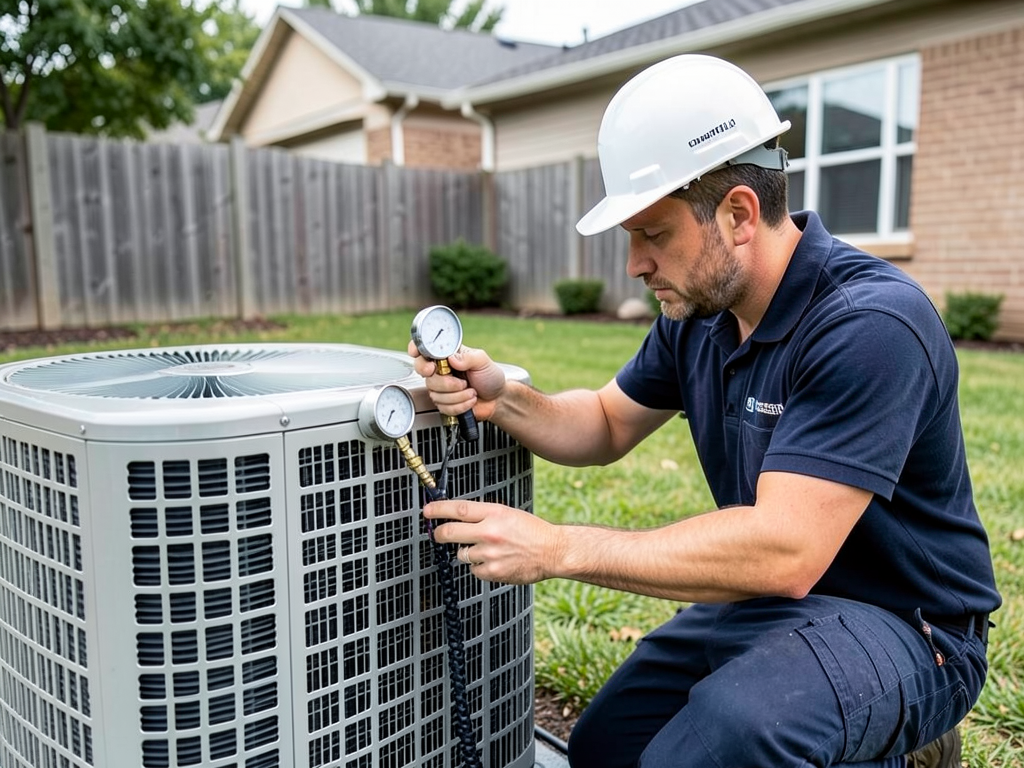
Professional diagnosis involves several tests a homeowner can’t safely perform. Technicians use manifold gauges to check refrigerant pressure, megohmmeters to test electrical components, and thermometers to verify temperature splits across the evaporator coil.
Manual J calculations determine if your system is properly sized. Many Copperfield homes have units that are too large for their actual cooling load, a common issue in newer Houston-area construction.
Professional Solutions and What to Expect
When you call for professional service, here’s what typically happens during a diagnostic visit for short cycling issues.
Initial Assessment starts with the technician asking about your system’s behavior, when the problem started, and any recent changes. They’ll check thermostat settings, inspect the air filter, and examine both indoor and outdoor units for obvious issues.
Refrigerant Testing uses specialized gauges to measure pressure levels. Low pressure indicates leaks, while high pressure might suggest airflow restrictions or oversized equipment. EPA-certified technicians must handle refrigerant and repair any leaks found.
Electrical Component Testing checks capacitors, contactors, and relays. These parts control the compressor and fan motors. Weak capacitors are a common cause of short cycling in older systems.
Airflow Measurement verifies that your system moves the correct amount of air. Technicians use anemometers to measure airflow at supply and return registers. Restricted airflow often causes evaporator coil freezing and short cycling.
Thermostat Calibration ensures the device accurately reads and controls temperature. Some smart thermostats require specific wiring configurations, and C-wire issues are common in older Copperfield homes.
System Sizing Verification involves Manual J calculations to confirm your AC is properly sized for your home’s cooling load. Oversized units are surprisingly common in Houston-area new construction.
Condensate Drain Inspection checks for clogs that might trigger safety switches. Houston’s humidity creates ideal conditions for algae growth in drain lines.
Repair Options vary based on the diagnosis. Simple fixes like capacitor replacement might cost $150-300. Refrigerant leak repairs range from $200-800 depending on location. Complete system replacement for chronic issues might be $4,000-8,000.
Preventive Maintenance can prevent future short cycling. Annual tune-ups include cleaning coils, checking refrigerant levels, and testing electrical components. Many companies offer maintenance plans that include priority service and discounts on repairs.
Preventing Future Short Cycling
Once you resolve your current short cycling issue, take these steps to prevent it from returning.
Regular Maintenance is your best prevention strategy. Schedule professional tune-ups twice yearly—once before cooling season and once before heating season. This catches small problems before they cause major issues.
Monthly Filter Changes during heavy use months keep airflow optimal. Consider upgrading to high-quality pleated filters that trap more particles without restricting airflow as much as cheap fiberglass filters.
Keep Condenser Clear year-round. Trim vegetation at least 2 feet from the outdoor unit. During fall, remove leaves promptly. In spring, clear grass clippings after mowing.
Monitor Thermostat Placement. If your thermostat is in a problematic location, consider relocating it or using a smart thermostat with remote sensors for more accurate temperature readings throughout your home.
Address Humidity Issues with whole-home dehumidifiers if your home feels clammy despite proper cooling. Houston’s humidity makes this a common need for Copperfield homes.
Consider System Upgrades if your unit is over 10-15 years old. Modern high-efficiency systems with variable-speed technology handle Houston’s climate better and resist short cycling issues.
Upgrade to Smart Thermostats with learning capabilities that optimize run times and prevent short cycling patterns. Many newer models include features specifically designed to prevent this issue.
Cost Considerations for Copperfield Homeowners
Repair costs for short cycling vary widely based on the underlying cause. Here’s what Copperfield homeowners typically face:
| Repair Type | Typical Cost Range | Urgency Level |
|---|---|---|
| Air filter replacement | $20-50 | DIY/Immediate |
| Capacitor replacement | $150-300 | High |
| Thermostat replacement | $150-400 | Medium |
| Refrigerant leak repair | $200-800 | High |
| Compressor replacement | $1,500-2,500 | Emergency |
| Full system replacement | $4,000-8,000 | Planned |
Emergency service fees in Copperfield typically add $75-150 to standard repair costs. Many companies charge these fees for after-hours calls or weekends.
Energy savings from fixing short cycling can offset repair costs. A system running properly uses 20-30% less electricity than one short cycling. At Houston’s average rates, that’s $30-50 monthly savings during peak season.
Preventive maintenance plans often pay for themselves through priority service, discounts, and preventing major repairs. Annual plans typically cost $150-300 and include two tune-ups plus discounts on repairs.
Local Building Codes and Regulations
Fort Bend County and the City of Houston enforce specific HVAC regulations that affect repairs and installations in Copperfield. What a New AC Installation Actually Costs in The Woodlands.
Texas Department of Licensing and Regulation (TDLR) requires all HVAC work to be performed by licensed contractors. Verify your technician’s TDLR license number before allowing any repairs.
EPA Section 608 Certification is mandatory for technicians handling refrigerants. This federal requirement ensures proper handling of chemicals that can harm the ozone layer.
Houston Building Code requires permits for most HVAC replacements and major repairs. Work without permits can result in fines and complicate future home sales.
Manual J Load Calculations are required by code for new installations. These calculations determine the correct system size based on your home’s square footage, insulation, windows, and other factors.
SEER2 Requirements effective in 2023 mandate minimum efficiency ratings for new equipment in the Southern United States. Higher SEER2 ratings mean lower energy bills but higher upfront costs.
Refrigerant Phase-Out regulations affect older systems using R-22 refrigerant. This chemical is being phased out due to environmental concerns, making repairs on older systems increasingly expensive.
Choosing the Right HVAC Contractor
Not all HVAC contractors provide the same quality of service. Here’s what to look for when selecting a company for your short cycling repairs.
Verify Licensing and Insurance. TDLR-licensed contractors carry proper insurance and meet state training requirements. Ask for proof of both before scheduling service.
Check Local Experience. Companies familiar with Copperfield’s specific challenges—like clay soil issues and local building codes—provide better service than those unfamiliar with the area.
Read Reviews Carefully. Look for patterns in customer feedback. Multiple mentions of the same issue (good or bad) indicate consistent service quality.
Ask About Warranties. Parts warranties typically range from 5-10 years. Labor warranties vary more widely. Understand what’s covered before agreeing to repairs.
Get Written Estimates for repairs over $500. This protects you from unexpected charges and allows comparison between contractors.
Emergency Availability matters in Houston’s climate. Choose a company offering 24/7 service, especially if you have health concerns or elderly family members.
Transparent Pricing indicates a reputable company. Avoid contractors who won’t discuss pricing over the phone or pressure you into immediate decisions.
Frequently Asked Questions
How long should my AC cycle run normally?
A properly functioning AC should run 15-20 minute cycles when cooling your home. In extreme heat, cycles might extend to 25-30 minutes. Short cycling (5-10 minute cycles) indicates a problem that needs attention.
Can I fix short cycling myself?
Simple fixes like changing air filters or checking thermostat settings are safe DIY tasks. However, refrigerant work, electrical repairs, and system diagnostics require professional tools and licensing. Attempting these repairs yourself can be dangerous and may void warranties.
How much does it cost to fix short cycling?
Repair costs range from $20 for a new filter to $2,500+ for compressor replacement. The average repair for short cycling issues in Copperfield is $250-600, depending on the specific cause. Getting a professional diagnosis is the first step to accurate pricing. Getting Your Furnace Ready for a Houston Cold Snap (Katy and West Houston).
Is short cycling covered by warranty?
Coverage depends on your specific warranty terms and the cause of short cycling. If the issue stems from a manufacturer defect in covered components, repairs might be covered. Wear-and-tear issues or lack of maintenance are typically not covered.
How can I tell if my AC is oversized?
Signs of an oversized unit include short cycling, poor humidity control, frequent on/off operation, and inability to maintain consistent temperatures. A professional Manual J calculation can confirm whether your system is properly sized for your home.
Take Action Now
Don’t let short cycling continue to damage your AC system and drive up your energy bills. The problem will only get worse over time, potentially leading to complete system failure during Houston’s hottest months.
If you’ve tried basic troubleshooting without success, it’s time to call a professional. A qualified HVAC technician can diagnose the specific cause of your short cycling and recommend the most cost-effective solution.
Call (281) 552-7766 today to schedule your inspection. Our experienced technicians understand Copperfield’s unique HVAC challenges and can get your system running efficiently again. Don’t wait until your compressor fails—address short cycling now to protect your investment and your comfort.
Pick up the phone and call (281) 552-7766 before the next heat wave hits. Your AC will thank you, and so will your wallet when you see lower energy bills and fewer repair needs throughout the cooling season. For more information, visit Texas Department of Licensing and Regulation HVAC.
You may also find this helpful. Does Your Crosby Rental Property Need a New AC (And Who Pays for It?).
You may also find this helpful. Calculating the Correct AC Tonnage for Large Open Concept Homes in Manvel.
You may also find this helpful. Why High Ceilings in Your Bridgeland Living Room Make Cooling More Difficult.
{
“@context”: “https://schema.org”,
“@type”: “BlogPosting”,
“headline”: “Why Your AC Keeps Turning On and Off Every Five Minutes in Copperfield”,
“description”: “Your AC short cycling in Copperfield? Discover the common causes, risks, and professional fixes. Learn why Houston humidity makes this problem worse and how to stop it.”,
“wordCount”: 2725,
“datePublished”: “2026-04-14T15:41:00.000Z”,
“dateModified”: “2026-04-14T15:41:00.000Z”,
“inLanguage”: “en-US”,
“mainEntityOfPage”: {
“@type”: “WebPage”,
“@id”: “https://titanhvachouston.com”
},
“publisher”: {
“@type”: “LocalBusiness”,
“name”: “Titan HVAC Houston”,
“url”: “https://titanhvachouston.com”
},
“author”: {
“@type”: “Organization”,
“name”: “Titan HVAC Houston”,
“url”: “https://titanhvachouston.com”
},
“image”: {
“@type”: “ImageObject”,
“url”: “https://titanhvachouston.com/wp-content/uploads/2026/03/why-your-ac-keeps-turning-on-and-off-every-five-mi-1.png”
}
}
{
“@context”: “https://schema.org”,
“@type”: “HVACBusiness”,
“name”: “Titan HVAC Houston”,
“url”: “https://titanhvachouston.com”,
“address”: {
“@type”: “PostalAddress”,
“addressLocality”: “Houston”
},
“areaServed”: {
“@type”: “City”,
“name”: “Houston”
}
}
{
“@context”: “https://schema.org”,
“@type”: “FAQPage”,
“mainEntity”: [
{
“@type”: “Question”,
“name”: “Is Short Cycling Dangerous for Your AC?”,
“acceptedAnswer”: {
“@type”: “Answer”,
“text”: “Short cycling isn’t just annoying—it can cause serious damage to your air conditioning system. The constant starting and stopping creates several risks that can lead to expensive repairs or complete system failure. EPA Section 608 Certification.”
}
},
{
“@type”: “Question”,
“name”: “How long should my AC cycle run normally?”,
“acceptedAnswer”: {
“@type”: “Answer”,
“text”: “A properly functioning AC should run 15-20 minute cycles when cooling your home. In extreme heat, cycles might extend to 25-30 minutes. Short cycling (5-10 minute cycles) indicates a problem that needs attention.”
}
},
{
“@type”: “Question”,
“name”: “Can I fix short cycling myself?”,
“acceptedAnswer”: {
“@type”: “Answer”,
“text”: “Simple fixes like changing air filters or checking thermostat settings are safe DIY tasks. However, refrigerant work, electrical repairs, and system diagnostics require professional tools and licensing. Attempting these repairs yourself can be dangerous and may void warranties.”
}
},
{
“@type”: “Question”,
“name”: “How much does it cost to fix short cycling?”,
“acceptedAnswer”: {
“@type”: “Answer”,
“text”: “Repair costs range from $20 for a new filter to $2,500+ for compressor replacement. The average repair for short cycling issues in Copperfield is $250-600, depending on the specific cause. Getting a professional diagnosis is the first step to accurate pricing. Getting Your Furnace Ready for a Houston Cold Snap (Katy and West Houston).”
}
},
{
“@type”: “Question”,
“name”: “Is short cycling covered by warranty?”,
“acceptedAnswer”: {
“@type”: “Answer”,
“text”: “Coverage depends on your specific warranty terms and the cause of short cycling. If the issue stems from a manufacturer defect in covered components, repairs might be covered. Wear-and-tear issues or lack of maintenance are typically not covered.”
}
},
{
“@type”: “Question”,
“name”: “How can I tell if my AC is oversized?”,
“acceptedAnswer”: {
“@type”: “Answer”,
“text”: “Signs of an oversized unit include short cycling, poor humidity control, frequent on/off operation, and inability to maintain consistent temperatures. A professional Manual J calculation can confirm whether your system is properly sized for your home.”
}
}
]
}
{
“@context”: “https://schema.org”,
“@type”: “BreadcrumbList”,
“itemListElement”: [
{
“@type”: “ListItem”,
“position”: 1,
“name”: “Home”,
“item”: “https://titanhvachouston.com”
},
{
“@type”: “ListItem”,
“position”: 2,
“name”: “Blog”,
“item”: “https://titanhvachouston.com/blog”
},
{
“@type”: “ListItem”,
“position”: 3,
“name”: “Why Your AC Keeps Turning On and Off Every Five Minutes in Copperfield”
}
]
}
{
“@context”: “https://schema.org”,
“@type”: “Service”,
“serviceType”: “HVAC”,
“provider”: {
“@type”: “LocalBusiness”,
“name”: “Titan HVAC Houston”,
“url”: “https://titanhvachouston.com”
},
“areaServed”: {
“@type”: “City”,
“name”: “Houston”
},
“description”: “Your AC short cycling in Copperfield? Discover the common causes, risks, and professional fixes. Learn why Houston humidity makes this problem worse and how to stop it.”
}