





Conroe sits in Montgomery County where summer heat reaches 98 degrees with humidity that makes it feel closer to 110. Your AC runs 8-10 months each year, cycling constantly against Gulf Coast moisture. Winter freezes still drop below 32 degrees several nights each season, forcing heaters into overdrive after months of disuse. This climate extreme stresses compressors, freezes coils, and clogs drain lines faster than mild climates.
Lake Conroe creates microclimates that trap humidity in neighborhoods like Walden and April Sound. Homes near the water fight condensation and mold growth inside ductwork. Pine forest areas around the Sam Houston National Forest pump pollen and organic debris into outdoor units, choking airflow and reducing efficiency. Clay soil beneath foundations shifts with seasonal moisture changes, cracking concrete slabs and disconnecting ductwork at joints.
Texas building codes require 14 SEER minimum for new installations, but older Conroe homes still run 8-10 SEER units that burn twice the electricity. Variable refrigerant flow systems handle humidity better than single-stage units, but most older systems lack humidity control. When your HVAC fails here, it's not just uncomfortable. It's dangerous. Heat exhaustion happens fast in Texas summers, and frozen pipes burst in winter cold snaps.
Titan HVAC Houston built its reputation on showing up when we say we will and fixing problems right the first time. We serve Conroe and Montgomery County with fully stocked trucks that carry the parts your system needs today, not three days from now after we order them. Our technicians average 12 years of field experience with residential and light commercial systems. They diagnose fast because they have seen your exact problem dozens of times.
We do not upsell replacements when repairs make sense. If your compressor failed but your air handler, ductwork, and coils still have years of life, we tell you that. If your 18-year-old system with a cracked heat exchanger needs replacement, we explain why and show you the crack. Honest assessments build trust, and trust keeps customers calling us back for 20 years.
Our pricing stays transparent from the diagnostic visit forward. You get a written quote before we start work, with line items for parts and labor broken out clearly. No surprise charges when we finish. We offer financing options for major repairs and replacements because we know a $6,000 HVAC replacement does not fit every budget on short notice.
We answer our phones 24 hours every day. Real people, not answering services. When your AC quits at 9 PM on a Saturday in July, you reach a technician who can dispatch help within two hours. Emergency service costs more than scheduled appointments, but we do not gouge panicked customers. Fair pricing applies around the clock.
Conroe families remember who helped them when they needed it most. We stay in business because we treat your home like ours and your comfort like it matters. Because it does.

We dispatch technicians to Conroe homes within hours of your call, not days later. Fully stocked service vehicles carry the parts most systems need, so we complete repairs the same day without return trips. Your comfort does not wait on our schedule.

We diagnose the actual problem, not the most expensive fix. If your system needs a $300 capacitor, we replace the capacitor. If it needs a new compressor, we explain why and give you repair versus replacement options with real numbers. No pressure tactics.
Our HVAC contractors average over a decade of hands-on field experience with residential systems. They hold NATE certifications and complete manufacturer training annually on new equipment. Experience means faster diagnosis and repairs that last because we have solved your exact problem before.
We know how Gulf Coast humidity affects ductwork, how clay soil shifts foundations and disconnects flex ducts, and which Conroe neighborhoods fight the hardest HVAC battles. Local knowledge means better solutions for your specific home and location challenges.
Titan HVAC Houston handles everything your heating and cooling system needs, from emergency breakdowns to planned replacements. Our HVAC services cover diagnostic troubleshooting, component repair, full system replacement, indoor air quality improvements, and preventive maintenance. We work on all major brands including Carrier, Trane, Lennox, Rheem, Goodman, and Bryant.
Our service model separates into three focus areas based on what your home needs right now. Emergency repair work gets you cool or warm again fast when systems fail completely. Planned installations give you time to research options, compare efficiency ratings, and schedule installation when it fits your calendar. Maintenance and air quality services keep systems running efficiently and your family breathing clean air year-round.
Each service category requires different expertise and equipment. Emergency HVAC repair demands fast diagnosis under pressure and trucks stocked with common failure parts. Installation work requires load calculations, ductwork modification skills, and refrigerant certification for proper charging. Indoor air quality services need understanding of filtration technology, UV light systems, and humidity control equipment. We train technicians across all categories so you get expert service regardless of what your home needs.
Your AC quits in August or your heater dies during a freeze. We respond within hours with diagnostic equipment and common repair parts already on the truck. Our HVAC repair technicians troubleshoot electrical failures, refrigerant leaks, compressor problems, blower motor issues, and thermostat malfunctions. Most emergency calls get resolved the same day. We repair all brands and handle residential systems up to 5 tons. Emergency service includes after-hours and weekend availability because breakdowns do not wait for business hours.
Old systems eventually cost more to repair than replace. We perform Manual J load calculations to size your new system correctly for your home's square footage, insulation, window count, and orientation. Proper sizing prevents short cycling and humidity problems. We install high-efficiency systems from 14 SEER to 20 SEER based on your budget and energy savings goals. Installation includes new refrigerant line sets, condensate drains, thermostat wiring, and startup verification. We pull permits and schedule inspections as required by Montgomery County building codes.
Regular maintenance catches small problems before they become expensive failures. Our tune-up service includes cleaning coils, checking refrigerant levels, testing capacitors, lubricating motors, inspecting electrical connections, and replacing filters. We check for ductwork leaks that waste cooled air and measure airflow across all vents. Spring AC checkups and fall heater inspections keep your system running efficiently through peak seasons. Maintenance customers get priority scheduling and discounted repair rates when problems do occur. Consistent service extends equipment life by years.
Gulf Coast climate creates specific HVAC challenges that Conroe residents fight every year. High humidity breeds mold in ductwork and clogs condensate drains with algae growth. Summer heat runs compressors at maximum capacity for months, burning out capacitors and contactors faster than moderate climates. Pine pollen from surrounding forests coats outdoor coils in spring, choking airflow and forcing systems to work harder. Clay soil shifts foundations and pulls apart flex duct connections at joints.
Older Conroe neighborhoods still run original HVAC equipment from the 1990s and early 2000s. These systems lack modern efficiency features and humidity control. Single-stage compressors cycle on and off constantly instead of modulating capacity to match actual cooling demand. Oversized systems installed without proper load calculations short cycle and leave homes humid even when temperatures feel comfortable. Undersized ductwork creates pressure imbalances that make some rooms hot while others freeze.
Temperature swings between 32-degree winter nights and 98-degree summer days stress equipment through constant seasonal transitions. Heaters sit unused for nine months, then fail to ignite when cold fronts arrive. AC systems run non-stop through brutal summers, then develop refrigerant leaks when fall brings milder weather and lower pressures. These patterns repeat predictably across Conroe, and experienced HVAC companies know exactly what to check first.
High humidity creates gallons of condensation daily inside your air handler. This water drains through PVC pipes that clog with algae, mold, and debris. Blocked drains overflow into your home, damaging ceilings and walls. We clear drains, install cleanout ports, and treat lines to prevent future clogs.
Copper refrigerant lines crack from foundation shifts and vibration over years. Low refrigerant makes your AC blow warm air and causes compressors to overheat. We locate leaks with electronic detectors, repair the line, vacuum the system, and recharge to manufacturer specifications. Band-aid recharges without fixing leaks waste money.
Capacitors give compressors and blower motors the electrical boost needed to start. Texas heat degrades capacitors faster than cool climates. A bad capacitor makes your system hum without starting or causes hard starts that damage other components. Replacement takes minutes and costs far less than the compressor damage weak capacitors cause.
Pine pollen, dust, and organic debris coat outdoor condenser coils and indoor evaporator coils. Dirty coils restrict airflow, reduce efficiency, and make your system run longer to reach temperature. Clogged filters do the same. Regular cleaning and filter changes keep your system breathing properly and lower electric bills significantly.
We answer your call with a real person who listens to your problem and asks questions to understand the situation. Not a call center in another state. A local team member who knows Conroe and can give you realistic timeframes. We schedule service appointments in windows you can plan around, or dispatch emergency technicians when you need help now.
Our technicians arrive in marked trucks with your appointment details already reviewed. They introduce themselves, put on shoe covers, and ask to see the problem. Diagnosis comes first. We test components, check voltages, measure pressures, and inspect the full system before recommending solutions. You get a clear explanation of what failed, why it failed, and what it costs to fix correctly.
Repairs start only after you approve the written quote. Our HVAC contractors work efficiently and clean up completely when finished. We test the system under load to confirm proper operation before we leave. You get documentation of work performed, parts replaced, and warranty information. We follow up by text or call to make sure everything still works correctly days later. Problems do not always show up immediately, and we stand behind our work if they do.
You reach a real person who understands HVAC problems and can give you honest advice over the phone. We explain what probably failed based on your description and give you realistic timeframes and cost ranges before we dispatch a truck. No surprises. No vague promises. Just straight answers about what happens next and when you can expect your home comfortable again.
Diagnostic visits include system testing and a written quote for repairs. You see exactly what parts cost, what labor costs, and what warranty covers the work. We explain your options if multiple solutions exist. Need a repair to last two more years until you replace the whole system? We can do that. Want the most permanent fix available? We quote that too. You decide what makes sense for your situation and budget.
We warranty all repairs for one year on parts and labor. New system installations include manufacturer warranties up to 10 years on major components plus our installation warranty. If something we fixed fails again, we come back and make it right at no charge. Your satisfaction determines our reputation in Conroe, and we protect that reputation by standing behind every job we complete.
HVAC repair and installation follow a proven process that gets your system working correctly while keeping you informed every step. We built this approach over thousands of service calls across Montgomery County.
Our technician arrives and inspects your complete HVAC system. We test electrical components, measure refrigerant pressures, check airflow, and examine ductwork for obvious problems. Diagnostic equipment identifies failing parts before they quit completely. You get a written explanation of what is wrong, what caused it, and what it costs to fix. We answer your questions until you understand the situation completely. You approve the work before we start.
Once you approve the quote, we complete the work efficiently. Repairs typically finish the same day. Full system replacements take one to two days depending on ductwork modifications needed. We protect your floors and work areas, complete the job to code, and clean up completely. Our trucks carry most common repair parts, so we rarely need return trips for basic fixes.
We test your system under full load before leaving to confirm proper operation. AC systems must reach target temperatures and maintain humidity control. Heaters must ignite reliably and distribute heat evenly. You get documentation of all work performed and warranty information. We follow up within a week to make sure everything still works correctly. If problems develop, we return promptly to resolve them at no additional charge.
Proper HVAC installation and repair require following specific technical standards that many contractors skip to save time or money. These shortcuts create problems that show up months or years later as premature failures, high electric bills, and uncomfortable homes. Titan HVAC Houston follows manufacturer specifications and industry best practices on every job because doing it right the first time costs less than fixing it later.
Refrigerant charging requires precise measurements, not guesswork. We charge systems by superheat and subcooling measurements, not just pressure gauges. Incorrect refrigerant levels damage compressors and reduce efficiency by 20 percent or more. R-410A systems require recovery equipment certified for that refrigerant. We never vent refrigerant to atmosphere.
Ductwork sizing follows Manual D calculations based on your system capacity and home layout. Undersized ducts create high static pressure that overworks blower motors and creates noise. Oversized ducts reduce air velocity and allow dust to settle inside instead of reaching filters. We seal all duct joints with mastic, not just tape, because tape fails in attic heat. Proper insulation on ducts in unconditioned spaces prevents condensation and energy loss.
Load calculations for new installations use Manual J methodology accounting for insulation R-values, window counts, orientation, and typical occupancy. Systems sized by square footage alone often end up 30-50 percent oversized. Oversized systems short cycle, waste energy, and fail to control humidity. Undersized systems run constantly without reaching target temperatures. We size systems correctly using actual heat gain and loss calculations for your specific home.
Electrical connections must meet National Electrical Code requirements and local amendments. We install disconnect boxes within sight of outdoor units, properly size wire gauges for amperage loads, and verify correct voltage at the unit. Loose connections cause fires and damage components. Properly torqued connections last decades.
Permits and inspections exist for good reasons. Montgomery County requires permits for system replacements and major repairs involving refrigerant or electrical work. We pull permits, schedule inspections, and provide documentation that protects your homeowner's insurance and resale value. Unpermitted work creates liability and code violations that surface during home sales.
Systems must be charged by superheat and subcooling measurements, not pressure alone. Incorrect charge damages compressors and cuts efficiency by 20 percent. We use digital manifolds and follow manufacturer specifications exactly. R-410A operates at higher pressures than older R-22 and requires different equipment and procedures. Proper charging protects your investment and lowers electric bills.
System replacement costs vary based on equipment efficiency, capacity, brand, and installation complexity. Higher SEER ratings cost more upfront but save money monthly on electric bills. Ductwork modifications, electrical upgrades, and permit fees add to base equipment costs. Two-story homes and tight attic access increase labor time. We quote complete installed prices with no hidden fees.
Emergency repairs typically complete same-day if we stock the failed part. Special order parts may require next-day delivery. Full system replacements take one to two days including permitting and inspection. Spring and early summer create high demand, so scheduling flexibility helps. Fall and winter offer faster scheduling for non-emergency work. We give honest timeframes and update you if situations change.
Montgomery County requires permits for HVAC system replacements and major repairs. We pull permits, schedule inspections, and provide documentation proving code-compliant work. Permits protect your insurance coverage and home value. Unpermitted work creates problems during home sales and may require expensive corrections to bring up to code. We handle all permitting as part of installation service.
This video explains how Gulf Coast climate conditions in Conroe, Texas create specific challenges for residential HVAC systems. Topics covered include humidity effects on condensate drains, heat stress on compressors, foundation movement impacts on ductwork, and preventive maintenance strategies. Titan HVAC Houston demonstrates common failure points in air conditioning and heating equipment specific to Montgomery County homes and discusses repair versus replacement decisions homeowners face with aging HVAC systems.
Titan HVAC Houston serves all of Conroe and the greater Montgomery County area with the same fast response times and quality service. Our service territory covers neighborhoods from Lake Conroe's shoreline communities to the southern areas near The Woodlands border. We know these areas because we work in them daily, and we understand how location affects HVAC performance.
Waterfront homes around Lake Conroe in communities like Walden, April Sound, and Bentwater face higher humidity loads than inland areas. These neighborhoods need aggressive condensate drain maintenance and often benefit from whole-home dehumidifiers to prevent mold growth. Older lake homes built in the 1980s frequently have undersized ductwork that struggles to distribute conditioned air to second-floor bedrooms. We modify ductwork to improve airflow and comfort in these challenging layouts.
Historic downtown Conroe homes near the Montgomery County Courthouse feature pier and beam foundations that simplify ductwork access compared to slab foundations common in newer construction. These older homes often lack adequate insulation in attics and walls, forcing HVAC systems to work harder. We recommend insulation upgrades alongside system replacements to maximize efficiency and comfort.
Newer developments south of Highway 105 toward The Woodlands feature modern construction with better insulation and more efficient HVAC systems. These neighborhoods see fewer emergency calls but still need regular maintenance to keep high-efficiency equipment running properly. Variable-speed systems and two-stage compressors require different service approaches than basic single-stage units common in older areas.
The northern parts of Conroe near Highway 336 and closer to Magnolia blend residential and light commercial properties. We service both home HVAC systems and small office or retail locations in these mixed-use areas. The Sam Houston National Forest borders these communities, creating unique challenges with pine pollen coating outdoor units each spring. We recommend more frequent coil cleaning for homes near dense tree coverage.
Western Conroe neighborhoods along FM 1488 sit on slightly higher elevation with better drainage than low-lying areas closer to the San Jacinto River. Foundation stability tends to be better here, reducing ductwork disconnection problems common in neighborhoods with active clay soil movement. These homes still face the same temperature extremes and humidity but with fewer soil-related HVAC issues.
Wherever you live in the Conroe area, we respond quickly and bring the expertise your home needs. Montgomery County HVAC challenges vary by location, but quality service standards remain constant. We treat every home with the same attention to detail and commitment to lasting repairs.
The $5000 rule helps you decide between repairing or replacing your system. Multiply the repair cost by your unit's age in years. If the result exceeds $5000, replacement makes more financial sense. For example, a $400 repair on a 14-year-old unit equals $5600, so replace it. In Conroe, high humidity accelerates wear on compressors and coils, which means older systems often fail more frequently. This rule accounts for ongoing repair expenses and efficiency losses that spike your energy bills during our long cooling season.
Most HVAC jobs in Conroe range widely depending on scope. A standard tune-up runs lower, while compressor replacement or ductwork modification costs more. Emergency repairs during peak summer heat typically carry premium pricing. The high humidity and extended cooling season here mean you need systems sized correctly for dehumidification, not just temperature control. Installation complexity increases if your home has crawlspace access issues or needs electrical panel upgrades. Always get written estimates that itemize parts, labor, refrigerant type, and permit fees before authorizing work.
A new HVAC system in Texas typically reflects our climate demands. Conroe's brutal summers and high humidity require systems with strong SEER ratings and proper dehumidification capacity. Single-stage units cost less upfront but run inefficiently. Two-stage or variable-speed systems handle humidity better and lower monthly bills. Installation costs vary based on your home's ductwork condition, insulation quality, and whether you need zoning for multi-story homes. Factor in permits, old equipment removal, thermostat upgrades, and any electrical work required for modern high-efficiency units.
The $5000 rule helps you decide between repairing or replacing your system. Multiply the repair cost by your unit's age in years. If the result exceeds $5000, replacement makes more financial sense. For example, a $400 repair on a 14-year-old unit equals $5600, so replace it. In Conroe, high humidity accelerates wear on compressors and coils, which means older systems often fail more frequently. This rule accounts for ongoing repair expenses and efficiency losses that spike your energy bills during our long cooling season.
Most HVAC jobs in Conroe range widely depending on scope. A standard tune-up runs lower, while compressor replacement or ductwork modification costs more. Emergency repairs during peak summer heat typically carry premium pricing. The high humidity and extended cooling season here mean you need systems sized correctly for dehumidification, not just temperature control. Installation complexity increases if your home has crawlspace access issues or needs electrical panel upgrades. Always get written estimates that itemize parts, labor, refrigerant type, and permit fees before authorizing work.
A new HVAC system in Texas typically reflects our climate demands. Conroe's brutal summers and high humidity require systems with strong SEER ratings and proper dehumidification capacity. Single-stage units cost less upfront but run inefficiently. Two-stage or variable-speed systems handle humidity better and lower monthly bills. Installation costs vary based on your home's ductwork condition, insulation quality, and whether you need zoning for multi-story homes. Factor in permits, old equipment removal, thermostat upgrades, and any electrical work required for modern high-efficiency units.
Installing AC in a 2000 square foot house in Conroe depends on existing infrastructure. If you have ductwork already, costs drop compared to a full install with new ducts. Homes in older Conroe neighborhoods often need duct sealing or replacement because leaky ducts waste 30 percent of cooled air. Insulation quality matters too. Our humidity means you need proper sizing for moisture removal, not just cooling power. Oversized units short-cycle and leave your home clammy. Get a Manual J load calculation before installation to match equipment to your home.
A 4000 square foot home needs a multi-zone system or dual units in Conroe. Single systems struggle with temperature balance across large floor plans, especially two-story homes where heat rises. Expect higher installation costs for homes this size because you need more extensive ductwork, multiple air handlers, and possibly separate thermostats for each zone. High ceilings, large windows facing west, and poor attic insulation increase your tonnage requirements. Energy efficiency becomes critical at this size because operating costs compound quickly during our six-month cooling season.
The 3-minute rule protects your compressor from damage. After your AC shuts off, wait at least three minutes before restarting it. This delay lets refrigerant pressures equalize throughout the system. Restarting too quickly forces the compressor to work against high head pressure, which can burn out the motor or trip the breaker. In Conroe's heat, homeowners often fiddle with thermostats when the house feels warm, but rapid cycling damages equipment. Modern thermostats have built-in short-cycle protection, but older manual systems require you to wait.
HVAC for a 1200 square foot house in Conroe requires a 2 to 2.5-ton system depending on insulation, window quality, and ceiling height. Smaller homes often get oversized units because contractors default to larger equipment. This creates humidity problems because the system cools too quickly without removing moisture. In older Conroe homes near downtown, poor insulation and single-pane windows increase your load. New construction with spray foam and Low-E windows needs less tonnage. Installation costs include equipment, ductwork modifications, refrigerant lines, electrical connections, and thermostat.
HVAC systems last 12 to 15 years in Conroe under normal conditions. Our climate stresses equipment more than northern regions because units run eight to nine months yearly. High humidity corrodes coils and electrical connections faster. Systems that skip annual maintenance fail sooner. Dirty filters force the blower motor to work harder, shortening its life. Heat pumps in coastal humidity zones wear out quicker than traditional split systems. Quality matters too. Budget-tier equipment with single-stage compressors typically dies before premium variable-speed models that cost more upfront.
The most common HVAC repairs in Conroe involve refrigerant leaks, failed capacitors, clogged condensate drains, and dirty evaporator coils. Our humidity clogs drain lines with algae, causing water damage and shutdowns. Capacitors fail in extreme heat, preventing compressors and fan motors from starting. Refrigerant leaks develop in corroded coil connections exposed to moisture. Contactor switches pit and burn from constant cycling during long summers. Blower motors wear out from running continuously. Thermostat malfunctions cause short-cycling. Most failures happen during the first heat wave when neglected systems work hard.
A 2000 square foot house in Texas needs a 3 to 3.5-ton air conditioner, but size depends on specific factors. Conroe's humidity and heat require proper dehumidification capacity, not just cooling power. Homes with poor attic insulation, west-facing windows, or high ceilings need more tonnage. Open floor plans distribute air differently than closed layouts. Your HVAC contractor should perform a Manual J load calculation that accounts for insulation R-values, window types, occupancy, and ductwork efficiency. Oversizing creates humidity problems, while undersizing leaves you uncomfortable during July and August.
Installing AC in a 2000 square foot house in Conroe depends on existing infrastructure. If you have ductwork already, costs drop compared to a full install with new ducts. Homes in older Conroe neighborhoods often need duct sealing or replacement because leaky ducts waste 30 percent of cooled air. Insulation quality matters too. Our humidity means you need proper sizing for moisture removal, not just cooling power. Oversized units short-cycle and leave your home clammy. Get a Manual J load calculation before installation to match equipment to your home.
A 4000 square foot home needs a multi-zone system or dual units in Conroe. Single systems struggle with temperature balance across large floor plans, especially two-story homes where heat rises. Expect higher installation costs for homes this size because you need more extensive ductwork, multiple air handlers, and possibly separate thermostats for each zone. High ceilings, large windows facing west, and poor attic insulation increase your tonnage requirements. Energy efficiency becomes critical at this size because operating costs compound quickly during our six-month cooling season.
The 3-minute rule protects your compressor from damage. After your AC shuts off, wait at least three minutes before restarting it. This delay lets refrigerant pressures equalize throughout the system. Restarting too quickly forces the compressor to work against high head pressure, which can burn out the motor or trip the breaker. In Conroe's heat, homeowners often fiddle with thermostats when the house feels warm, but rapid cycling damages equipment. Modern thermostats have built-in short-cycle protection, but older manual systems require you to wait.
HVAC for a 1200 square foot house in Conroe requires a 2 to 2.5-ton system depending on insulation, window quality, and ceiling height. Smaller homes often get oversized units because contractors default to larger equipment. This creates humidity problems because the system cools too quickly without removing moisture. In older Conroe homes near downtown, poor insulation and single-pane windows increase your load. New construction with spray foam and Low-E windows needs less tonnage. Installation costs include equipment, ductwork modifications, refrigerant lines, electrical connections, and thermostat.
HVAC systems last 12 to 15 years in Conroe under normal conditions. Our climate stresses equipment more than northern regions because units run eight to nine months yearly. High humidity corrodes coils and electrical connections faster. Systems that skip annual maintenance fail sooner. Dirty filters force the blower motor to work harder, shortening its life. Heat pumps in coastal humidity zones wear out quicker than traditional split systems. Quality matters too. Budget-tier equipment with single-stage compressors typically dies before premium variable-speed models that cost more upfront.
The most common HVAC repairs in Conroe involve refrigerant leaks, failed capacitors, clogged condensate drains, and dirty evaporator coils. Our humidity clogs drain lines with algae, causing water damage and shutdowns. Capacitors fail in extreme heat, preventing compressors and fan motors from starting. Refrigerant leaks develop in corroded coil connections exposed to moisture. Contactor switches pit and burn from constant cycling during long summers. Blower motors wear out from running continuously. Thermostat malfunctions cause short-cycling. Most failures happen during the first heat wave when neglected systems work hard.
A 2000 square foot house in Texas needs a 3 to 3.5-ton air conditioner, but size depends on specific factors. Conroe's humidity and heat require proper dehumidification capacity, not just cooling power. Homes with poor attic insulation, west-facing windows, or high ceilings need more tonnage. Open floor plans distribute air differently than closed layouts. Your HVAC contractor should perform a Manual J load calculation that accounts for insulation R-values, window types, occupancy, and ductwork efficiency. Oversizing creates humidity problems, while undersizing leaves you uncomfortable during July and August.
Titan HVAC is proud to serve Houston and the surrounding areas with expert heating and cooling solutions. Our central location allows us to respond quickly to both residential and commercial clients. Whether you need an emergency fix or scheduled service, we’re never far away. Explore our service area and see how close comfort really is. We're just a call or click away—connect with us today.
Address:
Conroe, TX, 77301
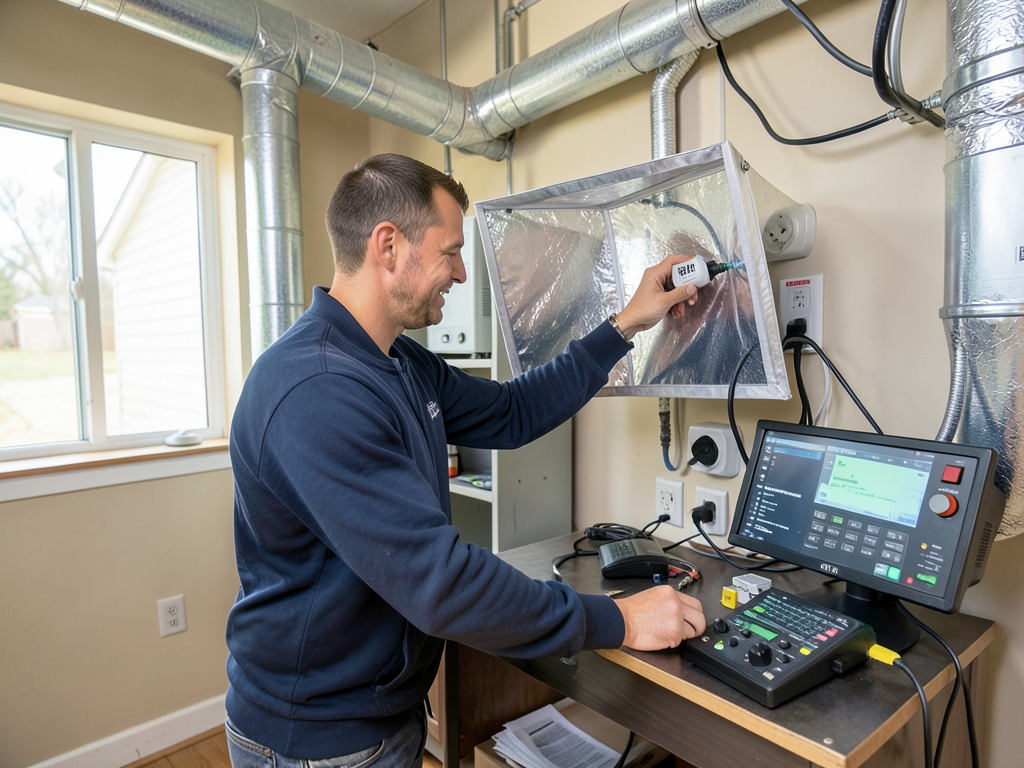
How Air Balancing Makes Every Room the Same Temperature in Your South Park Ranch Home If you live in a South Park ranch home built in the 1960s or 1970s, you know the struggle. One…
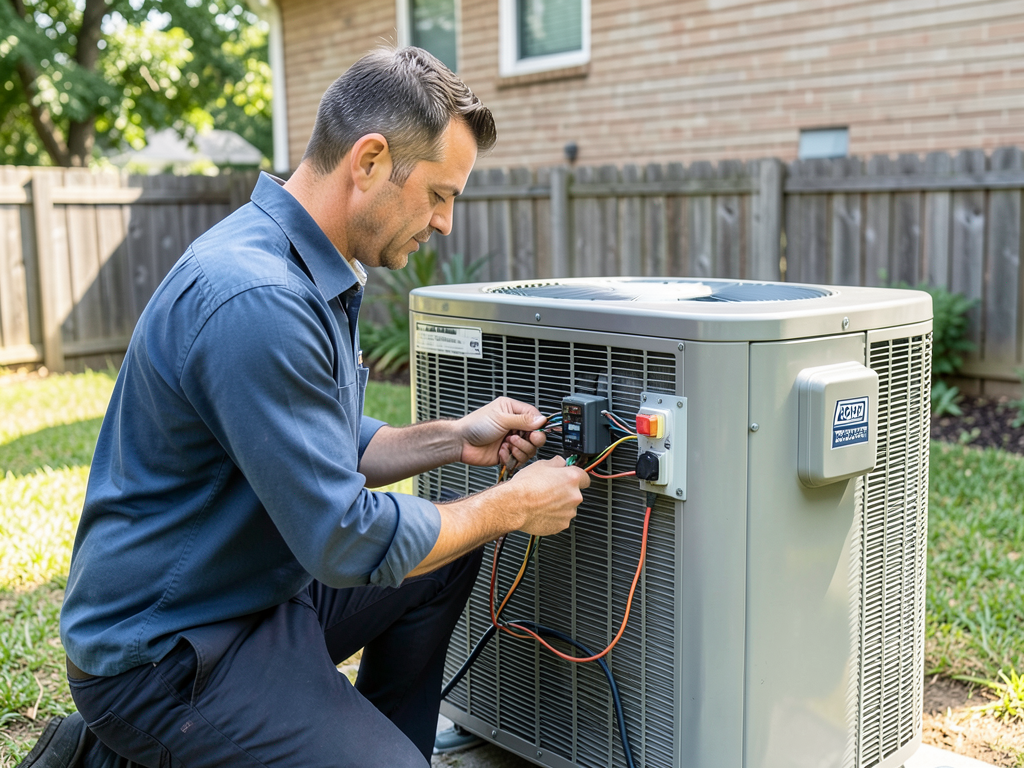
Preparing Your HVAC System to Run on a Whole-Home Generator in Park Ten Power outages…
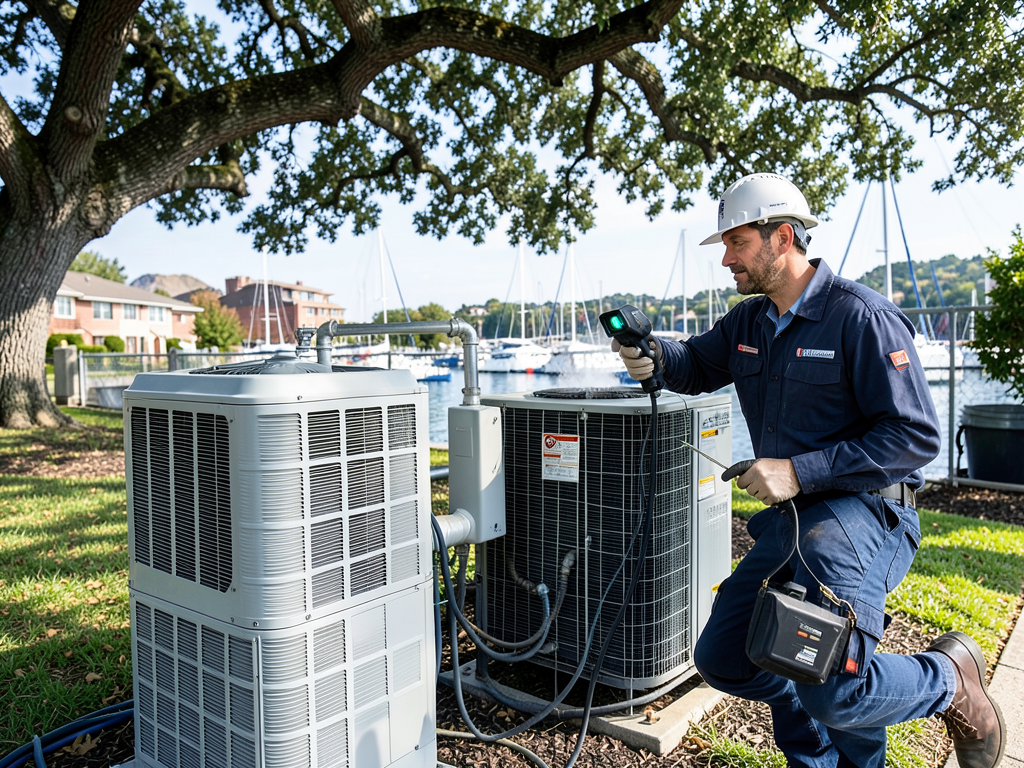
How Mature Tree Shade Impacts Your AC Performance and Efficiency in Denver Harbor Denver Harbor’s…
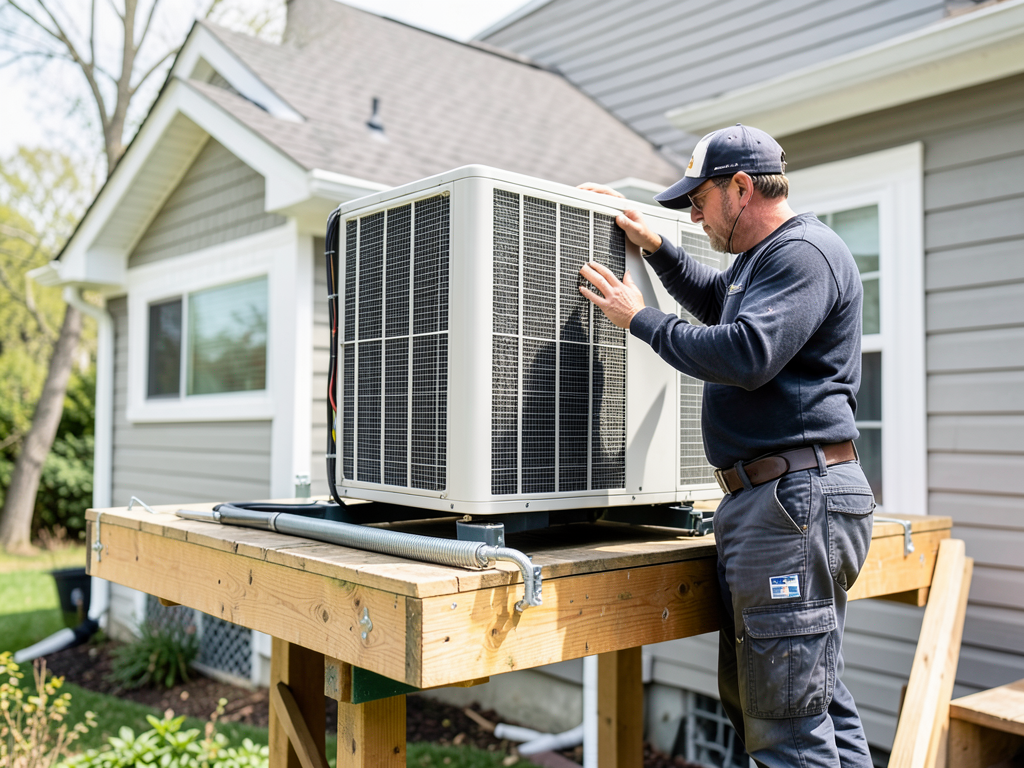
Everything You Need to Know About HVAC Permits and Building Codes in Willowbrook Installing a…
Your home should feel comfortable year-round. When your HVAC system fails, every hour matters. Call Titan HVAC Houston now at (281) 552-7766 for same-day service in Conroe. We answer 24 hours a day, dispatch technicians fast, and fix it right the first time.