




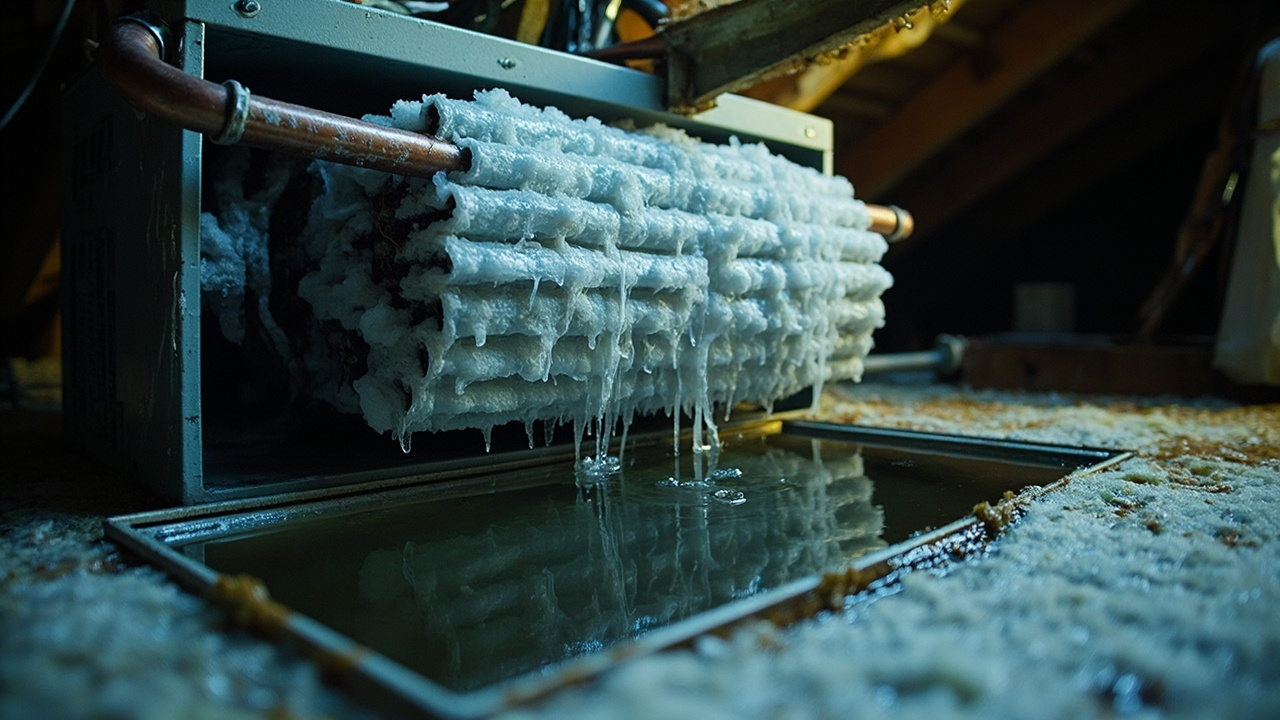
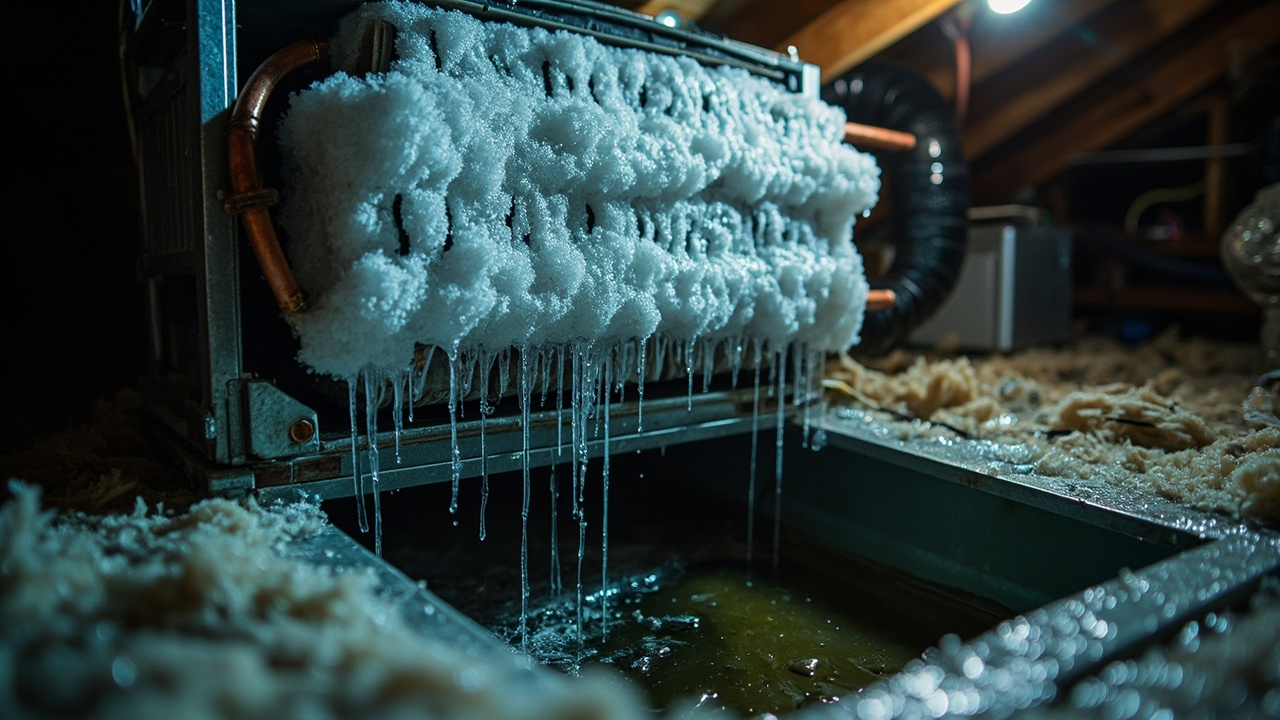
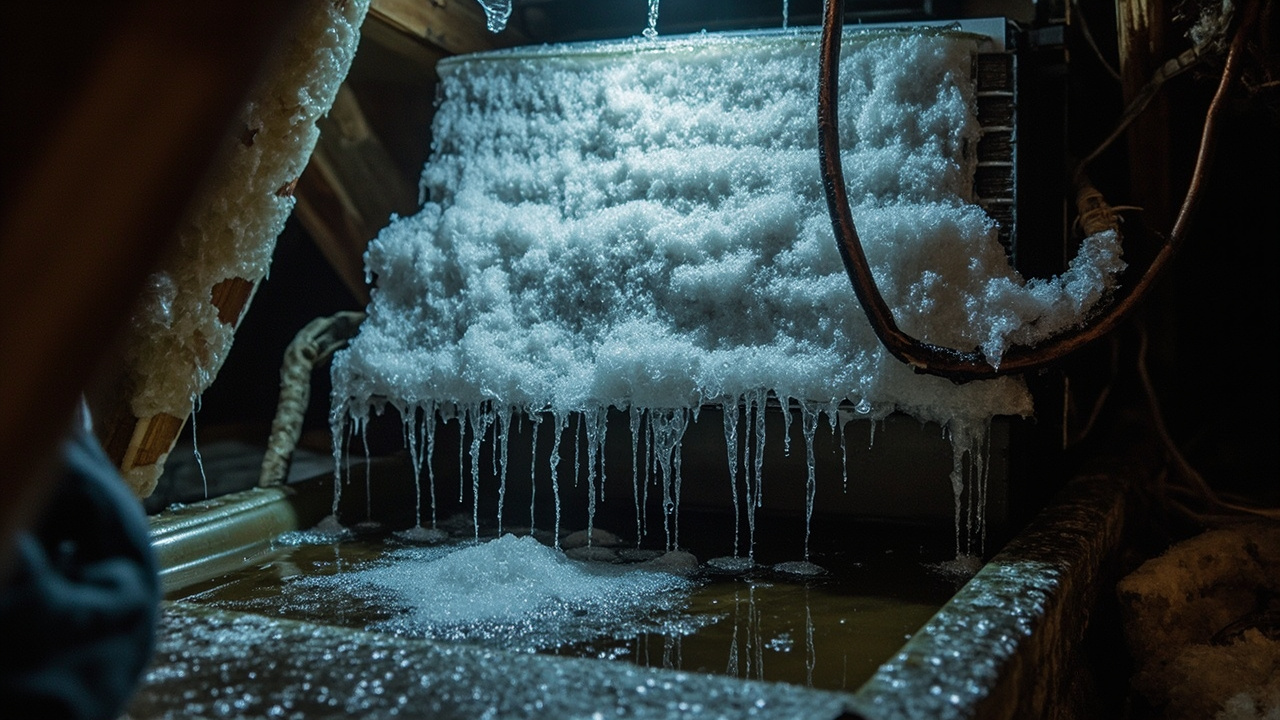
Houston averages over 90 days per year above 90 degrees, and indoor cooling runs from March through November in most homes. That extended runtime stresses every component, and the evaporator coil handles the heaviest load. High outdoor humidity means the coil must remove more moisture from indoor air, which increases condensate production and the risk of drain line blockages. When drains clog, water backs up into the coil area, freezing on contact with refrigerant lines and creating the ice buildup you see. Coastal moisture also accelerates corrosion on coil fins and refrigerant lines, which leads to pinhole leaks that drop system charge and trigger freezing.
Houston homeowners benefit from working with technicians who understand these regional failure patterns. Local building codes and humidity levels influence system sizing, ductwork design, and maintenance intervals. A technician experienced with Houston installations recognizes undersized return ducts, improperly insulated attic air handlers, and other regional issues that contribute to frozen coils. Titan HVAC Houston has spent years diagnosing and repairing HVAC systems across the greater Houston metro, from Cypress to Clear Lake, and we know how local conditions impact equipment performance. That local expertise translates into faster diagnosis and repairs that address Houston-specific challenges.