
How to Safely Clean Your AC Condenser Coils Yourself in Pecan Grove
Your AC condenser coils sit outside and get coated with Houston’s humidity, pollen, and debris. When they get dirty, your system works harder, costs more to run, and risks breaking down during our brutal summer heat. This guide shows you how to clean them safely without damaging your unit or risking injury.. Read more about Why the R-22 Phase Out Means Your Aging Sienna AC System Needs a Strategy.
Why Clean Coils Matter in Houston’s Humidity
Dirty condenser coils reduce heat transfer by up to 30%. In Pecan Grove’s climate, that means your AC runs longer cycles, your energy bills spike, and your compressor works overtime. The EPA recommends cleaning coils at least twice yearly in humid regions to maintain SEER2 efficiency ratings and prevent premature system failure. EPA Section 608 Certification.
Houston’s combination of high humidity and airborne particulates creates a perfect environment for biological growth on coils. This slimy buildup acts like insulation, trapping heat instead of releasing it. During peak summer months when outdoor temperatures exceed 95°F, dirty coils can cause your system to freeze up or shut down completely.
Tools and Supplies You’ll Need
Before you start, gather these items:
- Fin comb (for straightening bent aluminum fins)
- Non-acidic foaming coil cleaner (self-rinsing formula)
- Garden hose with adjustable nozzle
- Soft bristle brush (2-3 inch width)
- Phillips and flathead screwdrivers
- Adjustable wrench or nut driver set
- Safety glasses and work gloves
- Voltage tester or multimeter
Never use pressure washers or acidic cleaners on condenser coils. The high pressure can bend fins beyond repair, and acidic solutions can corrode the copper tubing and aluminum fins, causing refrigerant leaks.
Safety First: Powering Down Your System
Before touching any component, you must disconnect all power sources. Locate your thermostat and set it to “off.” Then find the indoor breaker panel and switch off the circuit breaker labeled “AC” or “HVAC.” This usually cuts power to the air handler.
Next, go outside to your condenser unit. You’ll find a small metal box mounted on the wall nearby with a handle. This is the disconnect box. Open it and either pull out the cartridge or flip the switch inside to the “off” position. Use your voltage tester to confirm no power reaches the unit before proceeding.
Even with power off, capacitors inside the unit can store dangerous electrical charges. Wait at least 30 minutes before working on the system to allow any residual charge to dissipate.
Step-by-Step: Cleaning Your Outdoor Condenser Coil
- Remove the Top Cage
Using your screwdriver, remove the screws holding the top grille in place. Most units have 4-6 screws around the perimeter. Lift the entire top assembly straight up, being careful not to strain the electrical connections running to the fan motor.. Read more about Maintenance Strategies for HVAC Units in Galveston Vacation Rentals.
- Clear Debris from the Interior
Remove leaves, twigs, and any debris that has collected inside the unit. Use your soft brush to gently sweep away dirt from the base and around the fan assembly. Pay special attention to the area around the compressor, which often collects the most debris.
- Clean the Coil Surface
Spray the non-acidic foaming cleaner evenly across the coil surface, starting from the top and working down. The foam will penetrate between the fins and break down the biological growth and dirt buildup. Let it sit for 5-10 minutes as directed on the product label.
- Rinse from Top to Bottom
Using your garden hose on a gentle spray setting, rinse the coils from top to bottom. Never spray upward into the coil, as this can push debris deeper into the system. The water should run clear when the cleaning is complete.
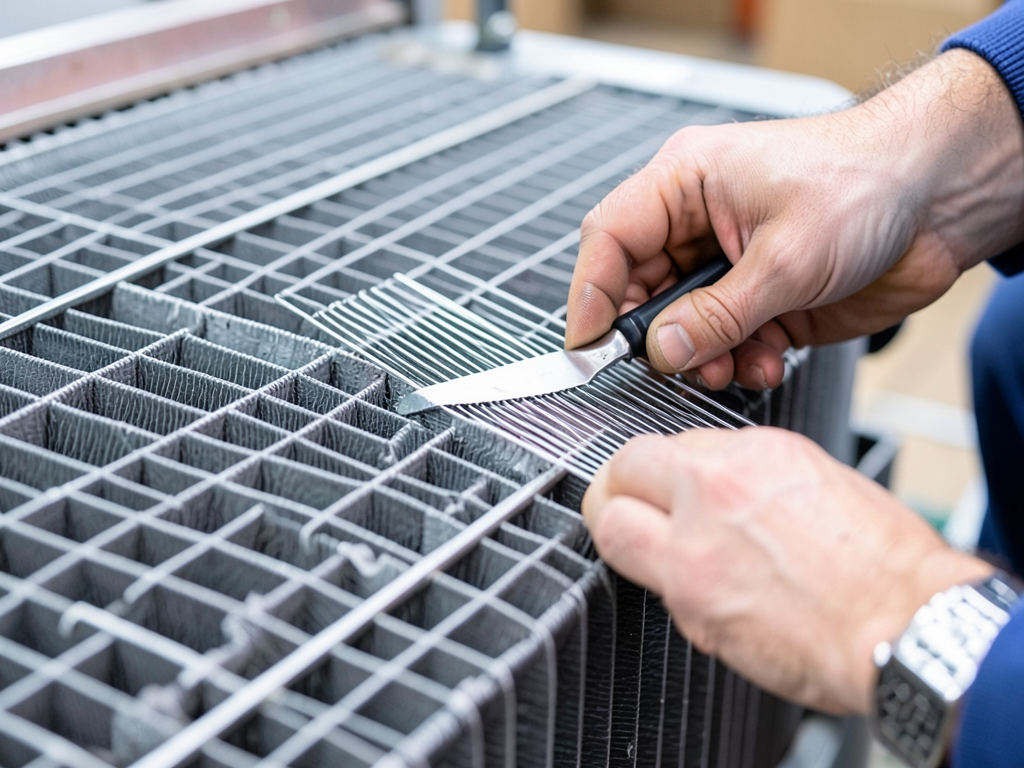
- Straighten Bent Fins
If you notice any bent fins during cleaning, use your fin comb to carefully straighten them. Work in the direction of the fins, using gentle pressure. Straight fins allow better airflow and improve efficiency.
- Reassemble and Test
Once everything is dry, replace the top cage and secure all screws. Restore power at the disconnect box and breaker panel. Set your thermostat to cool and verify the system starts normally.. Read more about Why Your AC Keeps Turning On and Off Every Five Minutes in Copperfield.
The Challenge: Cleaning the Indoor Evaporator Coil
The evaporator coil sits inside your air handler, usually in an attic or closet. Unlike the outdoor condenser, this coil requires more careful handling and often better left to professionals due to accessibility issues and the risk of damaging delicate components.
If you do attempt indoor coil cleaning, you’ll need to locate the air handler access panel. Inside, you’ll find the A-shaped coil with the blower fan below it. The coil is much more fragile than the outdoor unit and can be easily damaged by aggressive cleaning.
The biggest challenge is the drain pan below the coil. In Houston’s humidity, this pan often develops algae growth that can clog the drain line. A clogged drain line causes water to back up and potentially damage your ceiling or walls. This is where many DIY attempts go wrong.
Professional HVAC technicians use specialized tools like nitrogen bursts and wet vacuums to clean indoor coils without damaging the surrounding components. They also check refrigerant levels and electrical connections while they’re in there, which most homeowners can’t safely do.
When to Stop the DIY and Call a Houston HVAC Expert
Stop immediately if you notice any of these warning signs: ice buildup on any part of the system, visible refrigerant oil stains around connections, bent fins that won’t straighten with gentle pressure, or if your unit is located in a difficult-to-access attic with poor lighting and ventilation.
According to the Texas Department of Licensing and Regulation (TDLR), HVAC work involving refrigerant handling requires EPA Section 608 certification. If your cleaning reveals any signs of refrigerant leaks or if the system isn’t cooling properly after cleaning, you need a licensed professional. Texas Department of Licensing and Regulation.
Also call for help if you’re dealing with an older system (pre-2010) that may use R-22 refrigerant, which is no longer manufactured in the US. These systems require special handling and may need replacement parts that are becoming scarce.
Maintaining Your System Between Cleanings
Between deep cleanings, keep your condenser area clear of vegetation. Maintain at least 2 feet of clearance on all sides and 4 feet above the unit. This allows proper airflow and prevents debris from being drawn into the system.
Check your air filter monthly during peak usage months. A dirty filter restricts airflow, causing the same problems as dirty coils. Replace it when it appears gray or when you can’t see light through it when holding it up to a lamp.
Listen for unusual noises when your system runs. Grinding sounds often indicate failing bearings in the fan motor, while hissing might suggest a refrigerant leak. Early detection of these issues can prevent more expensive repairs later.
Local Pecan Grove Considerations
Pecan Grove’s location in Fort Bend County means your AC system faces specific challenges. The area’s clay soil can shift during our wet spring months, potentially causing your condenser pad to tilt slightly. Even a 1-2 degree tilt can reduce efficiency by forcing the compressor to work harder.
The neighborhood’s mature trees, while beautiful, drop leaves and pollen that can clog condenser coils. Pecan trees in particular produce a fine dust that sticks to wet coils and creates a cement-like buildup over time. Homes near Oyster Creek may experience slightly higher humidity levels, requiring more frequent coil cleaning.
Many Pecan Grove homes were built between 1980-2000, meaning your system might be approaching the end of its typical 15-20 year lifespan. If your unit is over 12 years old and requires frequent cleaning or repairs, it may be more cost-effective to consider replacement rather than continuing to maintain an aging system.
Energy Savings and Efficiency Benefits
Clean coils can reduce your energy consumption by 5-15%, according to Department of Energy studies. For a typical Houston home spending $200-300 monthly on cooling during summer, that’s $10-45 in monthly savings. Over a single cooling season, clean coils can pay for themselves in energy savings alone. Department of Energy AC Efficiency Guide.
Beyond energy savings, clean coils extend the life of your compressor. The compressor is the most expensive component in your AC system, often costing $1,500-2,500 to replace. By reducing the workload on this critical part, you’re protecting your investment and avoiding emergency repairs during the hottest months. Finding Emergency AC Repair in Sugar Land Without Getting Ripped Off.
Clean coils also improve indoor air quality. When your system runs efficiently, it removes humidity more effectively, making your home feel cooler at higher thermostat settings. This allows you to set your thermostat a few degrees higher without sacrificing comfort, saving even more energy.
Professional vs. DIY: Making the Right Choice
DIY coil cleaning works well for basic maintenance on systems under 10 years old that are easily accessible. However, if your system is older, located in a difficult spot, or showing signs of performance issues, professional cleaning is worth the investment.
Professional cleaning typically costs $75-150 and includes inspection of electrical components, refrigerant levels, and condensate drain lines. Technicians also use commercial-grade coil cleaners that are more effective than consumer products and have the proper disposal methods for chemical runoff.
Consider professional cleaning if your system is under warranty. Many manufacturers require professional maintenance to keep warranties valid. DIY cleaning that damages components could void your coverage when you need it most.
Emergency Situations: When Speed Matters
If your AC stops working during a Houston heat wave, don’t attempt extensive DIY repairs. The heat index in our area can exceed 110°F, creating dangerous conditions especially for children, elderly, and those with health conditions.
Call (281) 552-7766 immediately if you notice burning smells, see smoke, or hear loud banging noises from your unit. These symptoms indicate serious problems that require immediate professional attention to prevent further damage or safety hazards.
Many Pecan Grove homes have secondary cooling systems or whole-house fans that can provide temporary relief while waiting for repairs. Know where these controls are located before you need them.
Frequently Asked Questions
How often should I clean my AC coils in Houston?
Clean your outdoor condenser coils at least twice yearly in Houston’s climate. Once in spring before cooling season and again in fall. If you have many trees nearby or live in a particularly dusty area, consider cleaning every 3-4 months.
Can I use a pressure washer to clean my AC coils?
No. Pressure washers can bend the delicate aluminum fins and force water into electrical components. Use a garden hose with a gentle spray nozzle instead. The fins are only about 0.006 inches thick and damage easily.
What happens if I don’t clean my AC coils?
Dirty coils reduce efficiency by up to 30%, increase energy bills, cause the system to run longer cycles, and can lead to compressor failure. In extreme cases, dirty coils can cause the system to ice up and shut down completely during peak heat.
How do I know if my AC coils are dirty?
Signs include reduced cooling performance, longer run times, higher energy bills, ice formation on refrigerant lines, and visible dirt or debris on the outdoor unit. If your system is running constantly but not cooling well, dirty coils are a likely culprit.
Is coil cleaning covered by AC warranties?
Most manufacturer warranties require regular professional maintenance, including coil cleaning, to remain valid. DIY cleaning is typically allowed for basic maintenance, but any damage caused during cleaning may void warranty coverage for those components.
Take Action Today
Clean coils mean lower energy bills, better cooling performance, and fewer emergency repairs. If you’re not comfortable performing this maintenance yourself, or if you notice any warning signs during your inspection, call (281) 552-7766 for professional service. Emergency 24-Hour AC Service for Families in Katy.
Don’t wait until your system fails during a Houston heat wave. A simple coil cleaning now can prevent costly emergency repairs later. Our technicians serve Pecan Grove and all surrounding Fort Bend communities with fast, reliable service. Emergency Boiler Repair.
Pick up the phone and call (281) 552-7766 today to schedule your AC inspection. Your comfort and peace of mind are worth it.
You may also find this helpful. Protecting Your Coastal AC from Rust with Specialist Anti-Corrosive Coatings in Kemah.
You may also find this helpful. Getting an Insurance Claim Approved for AC Hail Damage in Tomball.
{
“@context”: “https://schema.org”,
“@type”: “BlogPosting”,
“headline”: “How to Safely Clean Your AC Condenser Coils Yourself in Pecan Grove”,
“description”: “Learn how to clean your AC condenser coils safely in Pecan Grove. DIY cleaning tips, tools needed, and when to call a professional. Call (281) 552-7766.”,
“wordCount”: 2015,
“datePublished”: “2026-04-17T11:51:00.000Z”,
“dateModified”: “2026-04-17T11:51:00.000Z”,
“inLanguage”: “en-US”,
“mainEntityOfPage”: {
“@type”: “WebPage”,
“@id”: “https://titanhvachouston.com”
},
“publisher”: {
“@type”: “LocalBusiness”,
“name”: “Titan HVAC Houston”,
“url”: “https://titanhvachouston.com”
},
“author”: {
“@type”: “Organization”,
“name”: “Titan HVAC Houston”,
“url”: “https://titanhvachouston.com”
},
“image”: {
“@type”: “ImageObject”,
“url”: “https://titanhvachouston.com/wp-content/uploads/2026/03/how-to-safely-clean-your-ac-condenser-coils-yourse-1.png”
}
}
{
“@context”: “https://schema.org”,
“@type”: “HVACBusiness”,
“name”: “Titan HVAC Houston”,
“url”: “https://titanhvachouston.com”,
“address”: {
“@type”: “PostalAddress”,
“addressLocality”: “Houston”
},
“areaServed”: {
“@type”: “City”,
“name”: “Houston”
}
}
{
“@context”: “https://schema.org”,
“@type”: “FAQPage”,
“mainEntity”: [
{
“@type”: “Question”,
“name”: “How often should I clean my AC coils in Houston?”,
“acceptedAnswer”: {
“@type”: “Answer”,
“text”: “Clean your outdoor condenser coils at least twice yearly in Houston’s climate. Once in spring before cooling season and again in fall. If you have many trees nearby or live in a particularly dusty area, consider cleaning every 3-4 months.”
}
},
{
“@type”: “Question”,
“name”: “Can I use a pressure washer to clean my AC coils?”,
“acceptedAnswer”: {
“@type”: “Answer”,
“text”: “No. Pressure washers can bend the delicate aluminum fins and force water into electrical components. Use a garden hose with a gentle spray nozzle instead. The fins are only about 0.006 inches thick and damage easily.”
}
},
{
“@type”: “Question”,
“name”: “What happens if I don’t clean my AC coils?”,
“acceptedAnswer”: {
“@type”: “Answer”,
“text”: “Dirty coils reduce efficiency by up to 30%, increase energy bills, cause the system to run longer cycles, and can lead to compressor failure. In extreme cases, dirty coils can cause the system to ice up and shut down completely during peak heat.”
}
},
{
“@type”: “Question”,
“name”: “How do I know if my AC coils are dirty?”,
“acceptedAnswer”: {
“@type”: “Answer”,
“text”: “Signs include reduced cooling performance, longer run times, higher energy bills, ice formation on refrigerant lines, and visible dirt or debris on the outdoor unit. If your system is running constantly but not cooling well, dirty coils are a likely culprit.”
}
},
{
“@type”: “Question”,
“name”: “Is coil cleaning covered by AC warranties?”,
“acceptedAnswer”: {
“@type”: “Answer”,
“text”: “Most manufacturer warranties require regular professional maintenance, including coil cleaning, to remain valid. DIY cleaning is typically allowed for basic maintenance, but any damage caused during cleaning may void warranty coverage for those components.”
}
}
]
}
{
“@context”: “https://schema.org”,
“@type”: “HowTo”,
“name”: “How to Clean AC Condenser Coils”,
“step”: [
{
“@type”: “HowToStep”,
“position”: 1,
“name”: “Remove the Top Cage”,
“text”: “Using your screwdriver, remove the screws holding the top grille in place. Most units have 4-6 screws around the perimeter. Lift the entire top assembly straight up, being careful not to strain the electrical connections running to the fan motor.”
},
{
“@type”: “HowToStep”,
“position”: 2,
“name”: “Clear Debris from the Interior”,
“text”: “Remove leaves, twigs, and any debris that has collected inside the unit. Use your soft brush to gently sweep away dirt from the base and around the fan assembly. Pay special attention to the area around the compressor, which often collects the most debris.”
},
{
“@type”: “HowToStep”,
“position”: 3,
“name”: “Clean the Coil Surface”,
“text”: “Spray the non-acidic foaming cleaner evenly across the coil surface, starting from the top and working down. The foam will penetrate between the fins and break down the biological growth and dirt buildup. Let it sit for 5-10 minutes as directed on the product label.”
},
{
“@type”: “HowToStep”,
“position”: 4,
“name”: “Rinse from Top to Bottom”,
“text”: “Using your garden hose on a gentle spray setting, rinse the coils from top to bottom. Never spray upward into the coil, as this can push debris deeper into the system. The water should run clear when the cleaning is complete.”
},
{
“@type”: “HowToStep”,
“position”: 5,
“name”: “Straighten Bent Fins”,
“text”: “If you notice any bent fins during cleaning, use your fin comb to carefully straighten them. Work in the direction of the fins, using gentle pressure. Straight fins allow better airflow and improve efficiency.”
},
{
“@type”: “HowToStep”,
“position”: 6,
“name”: “Reassemble and Test”,
“text”: “Once everything is dry, replace the top cage and secure all screws. Restore power at the disconnect box and breaker panel. Set your thermostat to cool and verify the system starts normally.”
}
],
“image”: “https://titanhvachouston.com/wp-content/uploads/2026/03/how-to-safely-clean-your-ac-condenser-coils-yourse-1.png”
}
{
“@context”: “https://schema.org”,
“@type”: “BreadcrumbList”,
“itemListElement”: [
{
“@type”: “ListItem”,
“position”: 1,
“name”: “Home”,
“item”: “https://titanhvachouston.com”
},
{
“@type”: “ListItem”,
“position”: 2,
“name”: “Blog”,
“item”: “https://titanhvachouston.com/blog”
},
{
“@type”: “ListItem”,
“position”: 3,
“name”: “How to Safely Clean Your AC Condenser Coils Yourself in Pecan Grove”
}
]
}
{
“@context”: “https://schema.org”,
“@type”: “Service”,
“serviceType”: “HVAC”,
“provider”: {
“@type”: “LocalBusiness”,
“name”: “Titan HVAC Houston”,
“url”: “https://titanhvachouston.com”
},
“areaServed”: {
“@type”: “City”,
“name”: “Houston”
},
“description”: “Learn how to clean your AC condenser coils safely in Pecan Grove. DIY cleaning tips, tools needed, and when to call a professional. Call (281) 552-7766.”
}