
Why One Room in Your Bunker Hill Home Is Always Hotter Than the Others
Walking into a room that feels like a sauna while the rest of your house stays cool is more than frustrating. It is a sign your HVAC system is working harder than it should. In Bunker Hill, where Houston’s humidity and sprawling ranch-style homes are common, this problem shows up in specific ways. The issue is rarely just about the air conditioner. It is about how air moves through your home.
Before you crank the thermostat down again, understand what is happening. The Gulf Coast climate puts extra stress on your system. Attic temperatures can climb above 150°F in summer. That heat seeps through the ceiling and radiates into living spaces. If the room in question sits under a poorly insulated attic or has large west-facing windows, the temperature difference becomes even more noticeable.
Let us walk through what causes this and what you can do about it.
Common Culprits Behind Uneven Cooling
Most hot spots in a home trace back to airflow problems. Your HVAC system pushes cooled air through a network of ducts. If any part of that network is blocked, leaking, or poorly designed, some rooms get less air than others.
Start with the basics. Check that all supply vents are open and not blocked by furniture or rugs. A closed vent might seem like a good way to redirect air, but it actually creates pressure imbalances that hurt performance. What a New AC Installation Actually Costs in The Woodlands.
Next, inspect your air filter. A clogged filter restricts airflow across the entire system. In Houston’s dusty environment, filters can fill up in as little as 30 days. Replace it if it looks gray or you cannot see light through it.
If those steps do not help, the problem could be in the ducts themselves. Houston homes built before 2000 often have ductwork in unconditioned attics. Over time, joints separate and small leaks form. The Department of Energy estimates that the average home loses 20 to 30 percent of its conditioned air through duct leaks.
Another common issue is improper duct sizing. If a room is far from the air handler, the ducts feeding it may be too small to deliver enough air. This is especially true in larger homes where the original design did not account for added square footage or room additions.
Finally, consider the room’s orientation. South and west-facing rooms absorb more solar heat. If the windows lack low-emissivity coatings or the walls are not well insulated, the cooling load in that space can be 30 percent higher than other areas.
Why Houston Humidity Makes It Worse
Houston’s climate is not just hot. It is wet. Relative humidity often stays above 70 percent. That moisture in the air makes it harder for your body to cool itself and forces your AC to work overtime.
Your air conditioner removes humidity through condensation. As warm air passes over the cold evaporator coil, water vapor turns to liquid and drains away. If the system runs too briefly, it cools the air but does not remove enough moisture. This leaves rooms feeling clammy and can encourage mold growth.
Older systems with basic single-stage compressors are particularly prone to this. They blast cold air until the thermostat is satisfied, then shut off. Modern variable-speed units run longer at lower speeds, removing more humidity without overcooling.
Another factor is attic heat gain. In Bunker Hill, many homes have truss-framed roofs with little or no radiant barrier. The sun beats down on shingles, heating the attic to extreme temperatures. If the insulation is thin or compressed, that heat radiates through the ceiling into the room below.
Even the type of insulation matters. Fiberglass batts can settle over time, creating gaps. Spray foam seals better but is more expensive. The Department of Energy recommends an R-38 to R-60 insulation level for Houston attics, depending on the home’s construction.
DIY Fixes to Try Before Calling a Pro
Before scheduling a service call, run through these checks. They take less than an hour and might solve the problem.
- Check Vents and Registers
Walk through your home and make sure every supply vent is fully open. Move furniture or rugs that might be blocking airflow. If a vent is closed, open it and wait 24 hours to see if the room cools.
- Replace the Air Filter
Remove the filter and hold it up to a light. If you cannot see light through it, replace it with a new pleated filter rated for your system. In Houston, check it monthly during peak cooling season.
- Test for Blocked Return Air
Locate the return air grille, often in a hallway or ceiling. Make sure it is not blocked by furniture or dust buildup. Vacuum the grille and the area around it.
- Seal Visible Duct Leaks
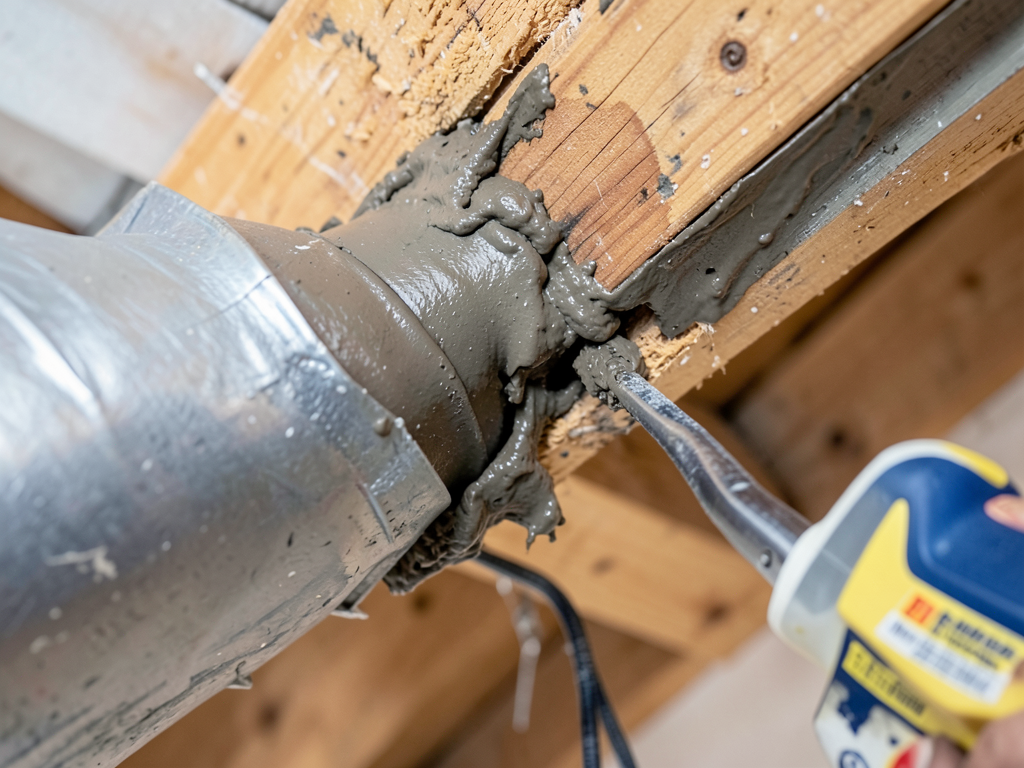
If you can access exposed ducts in an attic or crawl space, look for gaps at joints. Use UL 181-rated foil tape or mastic sealant to close small leaks. Do not use standard duct tape; it degrades quickly in Houston heat.
- Reduce Solar Heat Gain
Close blinds or curtains on south and west-facing windows during the hottest part of the day. Consider adding reflective window film if the room still feels warm.
If none of these steps improve the situation, the issue likely requires professional diagnosis.
Professional HVAC Solutions for Persistent Hot Spots
When DIY fixes fail, it is time to bring in a licensed HVAC technician. The first step is a full system evaluation. This includes measuring static pressure in the ducts, checking refrigerant levels, and inspecting the evaporator and condenser coils.
Static pressure testing reveals whether your ducts are sized correctly. If pressure is too high, the system struggles to move air. If it is too low, you have leaks or blockages. Technicians use a manometer to measure this, comparing the reading to manufacturer specifications.. Read more about Calculating the Correct AC Tonnage for Large Open Concept Homes in Manvel.
Another diagnostic tool is a thermal imaging camera. It shows temperature differences across walls, ceilings, and floors. Hot spots in a room might indicate missing insulation or air leaks around windows and doors.
If duct leaks are found, sealing them can recover lost cooling capacity. Aeroseal is a popular method where a technician injects aerosolized sealant into the duct system. The particles find and seal leaks from the inside out, often improving efficiency by 20 percent or more.
For rooms that are inherently harder to cool, zoning systems offer a solution. A zoning system uses motorized dampers in the ductwork to direct more air to specific areas. Each zone has its own thermostat, so you can keep the bedroom cool at night without freezing the living room.
Another option is a ductless mini-split. These units mount on the wall and connect to an outdoor compressor. They are ideal for room additions, converted attics, or any space where extending ductwork is impractical. Modern mini-splits have inverter-driven compressors that adjust capacity to match the load, improving both comfort and efficiency.. Read more about The Ideal HVAC Settings for a New Baby’s Nursery in Greatwood.
If your system is over 15 years old, replacement might be the most cost-effective fix. New units with SEER2 ratings of 16 or higher use less energy and remove more humidity. Pair that with a properly sized and sealed duct system, and the hot room problem often disappears.
Energy Efficiency and Cost Considerations
Improving comfort does not have to mean sky-high utility bills. In fact, fixing uneven cooling often lowers energy use.
Start with a Manual J load calculation. This HVAC industry standard determines the exact heating and cooling needs of your home. It accounts for square footage, insulation levels, window types, and local climate. A system that is too large short-cycles, leaving rooms muggy. One that is too small runs constantly and never catches up. Why Your Memorial Home Needs a High-Efficiency AC Unit Right Now.
Sealing duct leaks can reduce cooling costs by up to 30 percent. Adding insulation in the attic often pays for itself in three to five years through lower utility bills. Installing a programmable or smart thermostat lets you adjust temperatures automatically, saving energy when you are asleep or away.. Read more about Installing a Custom Temperature-Controlled Wine Cellar in Your Hunters Creek Village Estate.
Energy-efficient upgrades may qualify for rebates. CenterPoint Energy offers incentives for high-efficiency AC units, smart thermostats, and attic insulation. The federal ENERGY STAR program also provides tax credits for qualifying equipment. CenterPoint Energy rebates for high-efficiency AC units.
When comparing quotes, ask for a written load calculation and a breakdown of equipment efficiency ratings. Avoid contractors who size systems based on square footage alone. Proper design is critical in Houston’s demanding climate.
Maintenance Tips to Prevent Future Hot Spots
Once you achieve even cooling, keep it that way with regular maintenance. Schedule a professional tune-up twice a year, in spring and fall. The technician will clean coils, check refrigerant levels, and test electrical components.
Between visits, change your air filter every one to three months. In homes with pets or allergies, monthly changes are best. Keep the area around your outdoor condenser clear of leaves, grass clippings, and debris. Maintain at least two feet of clearance on all sides.
Check attic insulation annually. If you see gaps or compression, add more. Radiant barrier foil on the underside of the roof deck can reflect up to 97 percent of radiant heat, reducing attic temperatures by 20 to 30 degrees.
Monitor your energy bills. A sudden spike might indicate a system problem. If one room starts feeling warmer again, investigate quickly. Small issues become expensive if ignored.
Finally, consider a whole-home energy audit. A certified auditor uses blower door tests and infrared cameras to find air leaks and insulation gaps. The report gives you a roadmap for improvements that maximize comfort and efficiency.
Frequently Asked Questions
Why is my bedroom always hotter than the rest of the house?
Bedrooms on upper floors or under attics often suffer from heat gain. Poor insulation, duct imbalances, or south-facing windows can make the temperature climb faster than other rooms.
Can closing vents in unused rooms help cool the hot room?
No. Closing vents increases pressure in the duct system and can reduce overall efficiency. It may even cause the air conditioner to freeze up.
How much does it cost to fix uneven cooling?
Costs vary widely. Simple fixes like replacing a filter or sealing a leak might cost under $200. Adding zoning or replacing the system can run $3,000 to $8,000. A professional assessment gives you accurate pricing.
Will a bigger air conditioner solve the problem?
Not necessarily. Oversized units cool quickly but do not run long enough to remove humidity. Proper sizing through a Manual J calculation is more important than sheer capacity.
How long does it take to balance a home’s cooling?
Simple adjustments can be done in a few hours. Complex issues like duct redesign or zoning installation may take one to two days. Your technician can give you a timeline after diagnosis.. Read more about Central Air Installation for Historic Third Ward Homes — Moving Beyond Window Units.
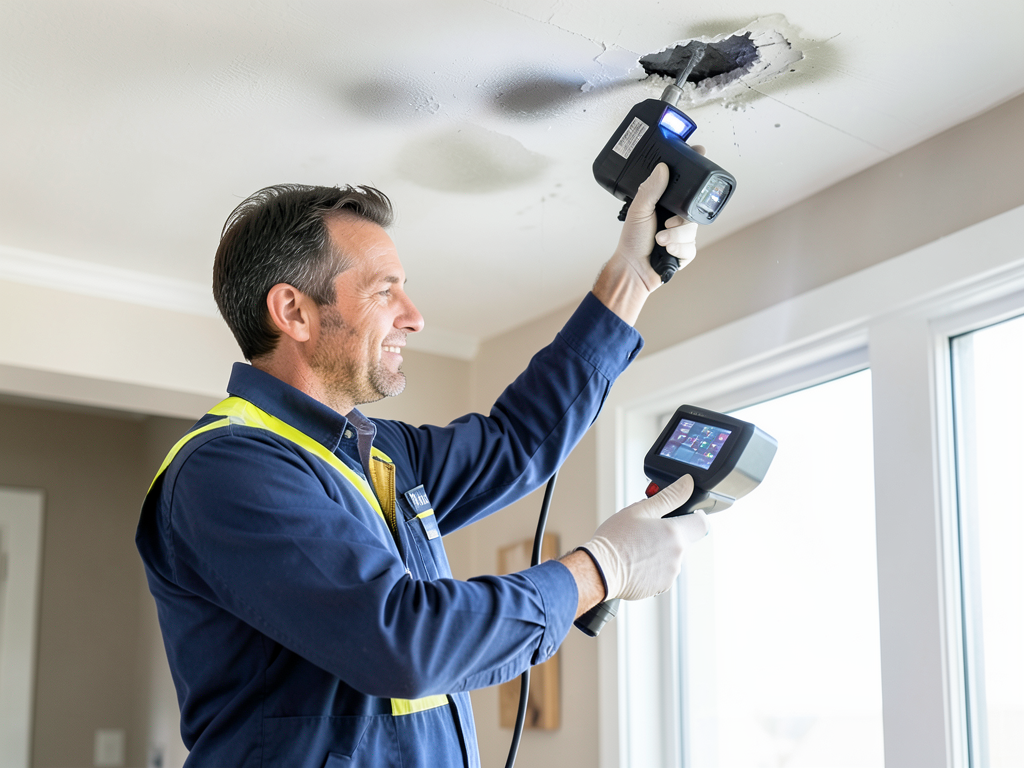
Diagram showing how duct leakage reduces airflow to distant rooms and causes hot spots.
Technician using a thermal imaging camera to locate insulation gaps and air leaks in a ceiling.
Before and after comparison of attic insulation levels and their impact on room temperatures.
Take Control of Your Home’s Comfort Today
Uneven cooling is not just an annoyance. It is a sign your system is not working as it should. In Houston’s brutal heat, every degree matters. Whether the fix is as simple as changing a filter or as involved as installing a zoning system, the solution starts with a proper diagnosis.
Call (281) 552-7766 today to schedule your professional HVAC evaluation. Our licensed technicians serve Bunker Hill and the greater Houston area with fast, reliable service. Do not let another hot night ruin your comfort. Pick up the phone and call (281) 552-7766 before the next heat wave hits. For more information, visit U.S. Department of Energy on home cooling.
You may also find this helpful. The Best Ways to Cool a Garage Workshop in Sharpstown.
You may also find this helpful. HVAC Solutions for Backyard Guest Houses and ADUs in Rice Military.
You may also find this helpful. Why Your New Home in Rosenberg Needs an Independent HVAC Inspection Before You Close.