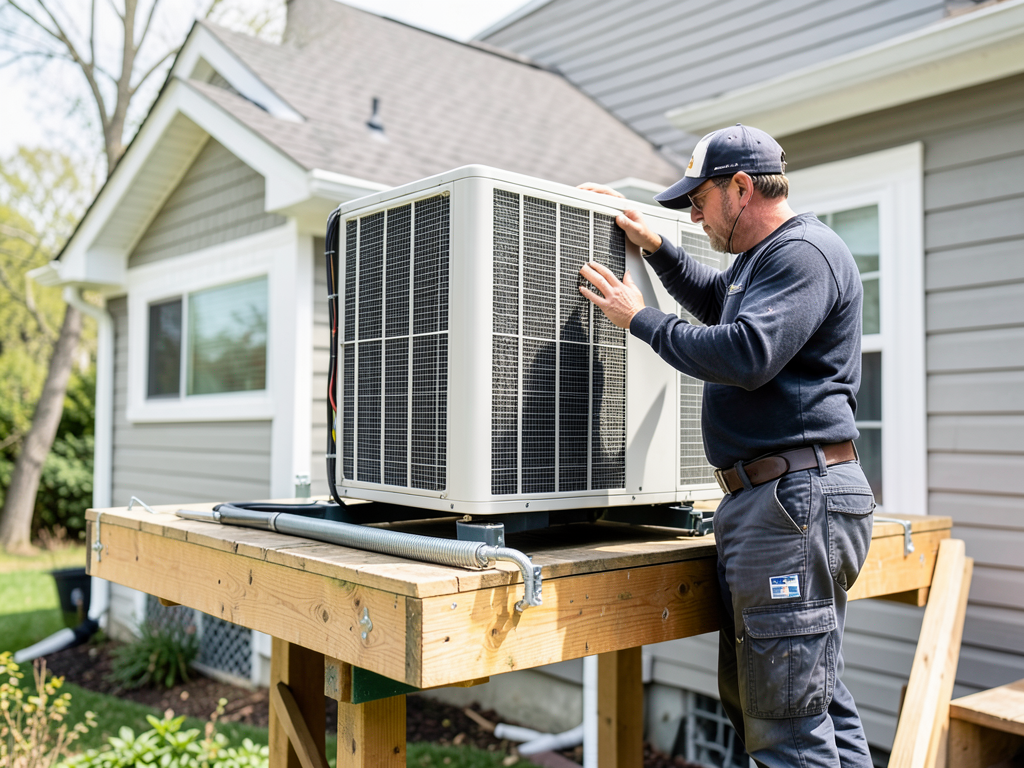





Furnace Blowing Cold Air in Houston – Expert Diagnosis and Same-Day Repair

When your furnace blows cold air during Houston's coldest nights, you need precise troubleshooting and fast repairs. Our technicians identify the root cause and restore warm air today.

Slider Image 1
Slider Image 2
Slider Image 3
Slider Image 4
Slider Image 5
Slider Image 7
Slider Image 8
Slider Image 9
Slider Image 10
Slider Image 11

Why Your Houston Furnace Stops Heating

You turn on the heat and cold air blasts through your vents. It happens in Houston homes every winter, especially when temperatures drop into the 30s and everyone fires up their heating system for the first time in months.

Houston's sporadic cold snaps create unique challenges. Your furnace sits idle for eight to nine months each year. During that time, dust accumulates on burners, pilot lights go out, and thermostat batteries drain. When you finally need heat, the system struggles to ignite or cycle properly.

A heater blowing cold air signals a breakdown in the combustion or distribution process. The blower runs, but the burners do not light. You hear the fan, feel air movement, but the temperature stays frigid.

Most Houston homeowners first check the thermostat. You confirm it reads "heat" and the temperature setting exceeds the current room temperature. The display works. The system runs. But your furnace blowing cool air continues.

The problem extends beyond simple settings. Your heating system blowing cold air indicates a failure in ignition, gas flow, flame sensing, or limit switch function. In older homes near the Heights or Montrose, furnaces may have corroded pilot assemblies or failed thermocouples. In newer construction around Katy or Sugar Land, electronic ignition systems malfunction due to voltage irregularities or sensor failures.

When your furnace not blowing hot air persists for more than 15 minutes after startup, the issue requires professional diagnosis. The longer you wait, the colder your home becomes. Houston's humidity makes cold indoor air feel even more uncomfortable. You need heat restored quickly and correctly.

Why Your Houston Furnace Stops Heating
How We Fix Furnaces That Blow Cold Air

How We Fix Furnaces That Blow Cold Air

We arrive with a systematic approach. Our technicians do not guess. We test each component in the ignition and heating sequence until we isolate the failure point.

First, we verify thermostat operation and wiring continuity. A loose wire or miscalibrated thermostat creates false calls for heat. We check voltage at the furnace control board to confirm the signal reaches the unit.

Next, we inspect the ignition system. Gas furnaces use either standing pilots or electronic igniters. We test flame sensors for conductivity. A dirty flame sensor shuts down the burners after a few seconds, leaving you with furnace blowing unheated air. We measure microamps across the sensor to determine if it reads flame correctly.

We examine the gas valve and supply line. If the valve fails to open, no combustion occurs. We check gas pressure at the manifold and verify the valve receives proper voltage from the control board. Low gas pressure, common in Houston during peak demand periods, prevents proper burner operation.

We test the limit switches and rollout switches. These safety devices shut down the burners if temperatures exceed safe thresholds. A malfunctioning limit switch stops heat production even when everything else works. We use a multimeter to verify switch operation and temperature calibration.

We inspect the heat exchanger for cracks or holes. A compromised heat exchanger triggers safety shutdowns and requires immediate furnace replacement. Houston's clay soil causes foundation shifting that stresses ductwork and cabinet connections, sometimes cracking heat exchangers prematurely.

After identifying the failed component, we explain what broke, why it failed, and what repair restores function. We carry common parts on every truck. Most repairs complete the same day.

What Happens When We Diagnose Your Cold Air Problem

Furnace Blowing Cold Air in Houston – Expert Diagnosis and Same-Day Repair
01

System Function Test

Our technician initiates a heating cycle and observes the complete sequence. We listen for the inducer motor, watch for igniter glow or pilot flame, and monitor the control board for fault codes. We measure supply and return air temperatures to quantify the heating deficit. This baseline test reveals where the sequence fails and guides our diagnostic path.
02

Component Isolation Testing

We disconnect and test individual components outside the circuit. Flame sensors get removed and cleaned with emery cloth. Igniters get tested for resistance and current draw. Gas valves get checked for solenoid function. Pressure switches get tested with a manometer to verify they close at the correct draft pressure. Each component either passes testing or gets flagged for replacement.
03

Repair and Verification

We install the replacement part and run multiple heating cycles. We verify ignition happens within the manufacturer's specified timeframe. We measure outlet air temperature to confirm it reaches 120 to 140 degrees. We check for proper burner flame color and pattern. We document the repair and provide you with a clear explanation of what failed and what we fixed.

Why Houston Homeowners Choose Titan HVAC for Furnace Repairs

You need a technician who understands how Houston's climate affects furnace operation. Our team works on heating systems year-round, not just during the brief winter season.

We know that Houston furnaces fail differently than furnaces in northern climates. Rust and corrosion happen faster here due to humidity. Ductwork in attics reaches extreme temperatures in summer, degrading seals and connections that affect winter performance. Gas lines corrode faster in our soil conditions.

We stock parts for the brands most common in Houston homes. Lennox, Trane, Carrier, Rheem, and Goodman furnaces dominate the local market. We carry flame sensors, igniters, pressure switches, and control boards for these manufacturers on every service truck.

Our technicians receive ongoing training on both older atmospheric furnaces and newer high-efficiency condensing models. We work in homes built in the 1960s near Memorial and new construction in Pearland. The diagnostic approach differs, but the commitment to accurate repair stays constant.

We do not upsell. If your furnace needs a flame sensor, we replace the flame sensor. If the heat exchanger cracked and the furnace requires replacement, we explain why continued operation creates a carbon monoxide risk. We provide options and let you make informed decisions.

Houston homeowners call us because we answer the phone, show up on time, and fix the problem correctly. We do not send apprentices to handle complex diagnostics. Our lead technicians have a decade or more of experience troubleshooting furnaces that blow cold air.

We serve the entire Houston metro, from Cypress to Clear Lake, from the Woodlands to Galveston County. If your heater blows cold air tonight, we can diagnose and repair it today.

What to Expect During Your Furnace Repair

Fast Response Times

We answer calls seven days a week. When you contact us about a furnace blowing cold air, we schedule service the same day whenever possible. Most diagnostic visits take 45 to 90 minutes. If we identify the problem and have the part in stock, we complete the repair during the initial visit. You do not wait days for heat restoration. We understand that Houston homes lack insulation compared to northern climates, so indoor temperatures drop quickly when heating fails.

Thorough Diagnostic Process

Our technician explains each test as we perform it. We show you the failed component and explain how it caused your furnace to blow cold air. We use diagnostic tools including multimeters, manometers, combustion analyzers, and thermal cameras. You receive a written report detailing what we found, what we recommend, and why. We never pressure you into unnecessary repairs. If multiple components failed, we prioritize them by safety and function so you can make informed decisions about immediate versus future repairs.

Quality Repair Work

We use OEM or equivalent quality parts. Generic aftermarket components may cost less but fail faster, especially in Houston's demanding climate. Our technicians follow manufacturer procedures for installation and startup. We verify proper combustion, check for gas leaks, and test safety switches after every repair. You get heat that works reliably, not a temporary fix that fails again in two weeks. We clean up completely and test the system through multiple cycles before we leave your home.

Post-Repair Support

After we repair your furnace, we provide maintenance recommendations specific to your system and home. Houston furnaces need different care than furnaces in constant use. We explain how to change filters, when to schedule tune-ups, and what warning signs indicate developing problems. If you experience any issues with the repair, you can call us directly. We stand behind our work. Many customers join our maintenance program, which includes annual inspections before heating season to catch problems before your furnace blows cold air on the coldest night of the year.

Frequently Asked Questions

You Have Questions,
We Have Answers

Why is cold air blowing when the heat is on? +

Your furnace blows cold air because the burners are not igniting properly. Common causes include a faulty igniter, a tripped limit switch, or incorrect thermostat settings. In Houston homes, dirty flame sensors often fail due to dust buildup from high humidity. The blower runs, but without combustion, it pushes unheated air through your vents. Check your thermostat first. Make sure it is set to heat mode, not fan-only. If settings are correct, the igniter or flame sensor likely needs attention. Do not ignore this. Running the blower without heat wastes energy and stresses the system.

How do you fix a furnace that blows cold air? +

First, confirm your thermostat is set to heat with the fan on auto. Replace the air filter if it looks clogged. Dirty filters restrict airflow and trigger safety shutoffs. Next, inspect the pilot light or igniter. If the igniter glows but the burners do not light, the flame sensor needs cleaning. Houston's humid climate accelerates corrosion on sensors. Turn off power at the breaker before accessing internal components. If you lack HVAC experience, call a technician. Furnaces involve gas lines and electrical components. Mistakes cause dangerous leaks or system damage. A professional diagnosis saves time and money.

Why is my furnace blowing air but not warm? +

Your furnace circulates air but fails to heat because the burners are not firing. The igniter may be cracked or weak. A dirty flame sensor will also prevent ignition. The blower motor runs independently of the heating cycle, so you feel airflow without warmth. In Houston, sudden cold snaps catch homeowners off guard when furnaces sit idle for months. Dust and debris settle on igniters and sensors during the cooling season. Check your filter first. A clogged filter causes overheating, which trips the limit switch and shuts down the burners. If the filter is clean, you need a technician.

What are signs of furnace failure? +

Furnace failure shows through strange noises, weak airflow, yellow pilot flames, frequent cycling, and rising energy bills. Banging or popping sounds indicate delayed ignition from dirty burners. Rattling suggests loose components or a failing blower motor. A yellow pilot flame means incomplete combustion and possible carbon monoxide risk. The flame should always be blue. Short cycling points to a bad thermostat, clogged filter, or oversized unit. In Houston, high humidity also corrodes electrical connections faster. If you smell gas or detect a metallic odor, shut off the furnace immediately and call for emergency service.

How to fix a heater that blows cold air? +

Turn off the furnace and check your thermostat settings. Confirm it reads heat mode with the correct temperature. Replace the air filter if it looks gray or clogged. Dirty filters cause overheating and safety shutdowns. Inspect the circuit breaker. A tripped breaker stops the heating cycle but allows the blower to run. If these steps fail, the igniter or flame sensor needs attention. Houston homes face unique challenges with high humidity corroding internal components. Do not attempt repairs involving gas lines or electrical wiring without training. A certified HVAC technician can diagnose and fix the problem safely.

How can I tell if my heat pump is low on refrigerant? +

Low refrigerant causes weak heating, frozen coils, hissing sounds, and higher energy bills. Your heat pump struggles to pull warmth from outdoor air when refrigerant levels drop. Ice forms on the outdoor coil even during mild Houston winters. You may notice longer run times without reaching the set temperature. Hissing or bubbling noises indicate a refrigerant leak. The system may switch to auxiliary heat more often, spiking your electric bill. Refrigerant does not deplete naturally. Low levels always mean a leak. Do not add refrigerant without fixing the leak first. A technician must locate the leak and recharge the system.

What is the most expensive part to fix on a furnace? +

The heat exchanger costs the most to replace, often requiring a full furnace replacement instead. Heat exchangers crack from age, corrosion, or overheating caused by restricted airflow. Replacement runs thousands of dollars because it involves extensive labor and safety testing. In Houston, high humidity accelerates rust on metal components. The blower motor and control board also rank as expensive repairs. The control board manages all electrical functions. When it fails, the furnace will not operate. If your furnace is over 15 years old and needs a heat exchanger, replacement makes more financial sense than repair.

How do I reset my furnace? +

Locate the power switch near your furnace and turn it off. Wait 30 seconds. Switch it back on. This resets the control board and clears minor errors. If your furnace has a reset button, press it once and wait for the system to restart. Do not press it repeatedly. Multiple resets indicate a deeper problem like a clogged filter or faulty flame sensor. Check your circuit breaker panel for tripped switches. In Houston homes, power surges from summer storms can trip breakers or damage control boards. If the furnace does not restart after one reset attempt, call a technician.

What are the signs of a bad heater? +

A failing heater shows weak airflow, inconsistent temperatures, strange odors, loud noises, and frequent cycling. Burning smells suggest dust on the heat exchanger or electrical problems. Musty odors point to mold in the ductwork, common in humid Houston climates. Banging or scraping sounds indicate mechanical failure in the blower assembly. If rooms heat unevenly, your ductwork may have leaks or the blower motor is weakening. Rising energy bills without increased usage signal reduced efficiency. Yellow pilot flames mean dangerous incomplete combustion. Shut down the system immediately if you smell gas or detect a metallic odor.

What are signs of a bad furnace igniter? +

A bad igniter fails to glow, glows weakly, or cracks visibly. When you call for heat, the igniter should glow bright orange within 30 seconds. A dim glow or no glow means the igniter is failing. You may hear the draft inducer motor start, but the burners never light. Igniters crack from age and thermal stress. In Houston, temperature swings between cooling and heating seasons stress components. If the furnace clicks repeatedly without igniting, the igniter or flame sensor is the problem. Igniters are fragile. Do not touch them with bare hands. Skin oils cause premature failure.

How Houston's Mild Winters Create Unique Furnace Problems

Houston furnaces operate in stop-and-start patterns that differ from northern climates. You may run heat for three days, then turn it off for two weeks when temperatures climb back into the 70s. This cycling pattern stresses ignition components. Pilot lights blow out. Electronic igniters cool and heat repeatedly, causing thermal stress fractures. Flame sensors accumulate deposits because combustion cycles stay short. When you need consistent heat during a real cold snap, the furnace that seemed fine suddenly blows cold air. The sporadic demand pattern unique to Houston means components wear differently than in regions with sustained heating seasons.

Choosing a local Houston HVAC company matters because we understand these patterns. We know that a furnace blowing cold air in January often traces back to issues that developed during months of disuse. We stock parts for the brands and models most common in Houston homes. We understand local building practices, including ductwork in unconditioned attics and furnaces in garage locations. Titan HVAC Houston has diagnosed thousands of cold air complaints across every Houston neighborhood. We know which problems happen frequently and which require specialized expertise. Our experience with Houston heating systems means faster, more accurate diagnosis when your furnace stops producing warm air.
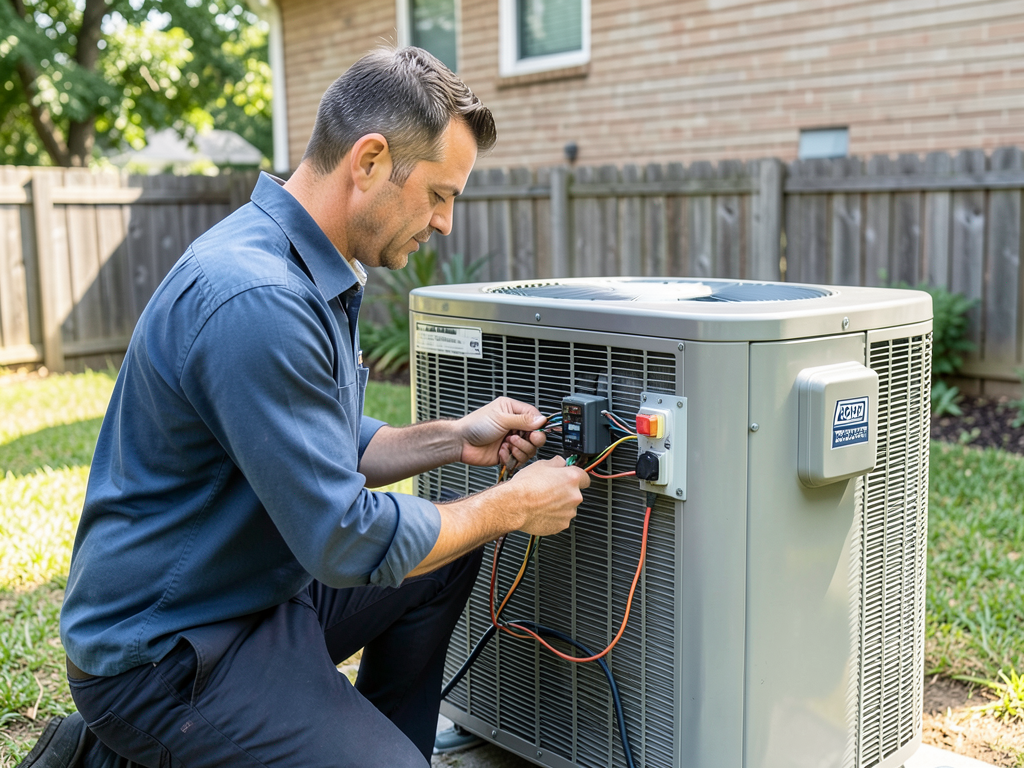
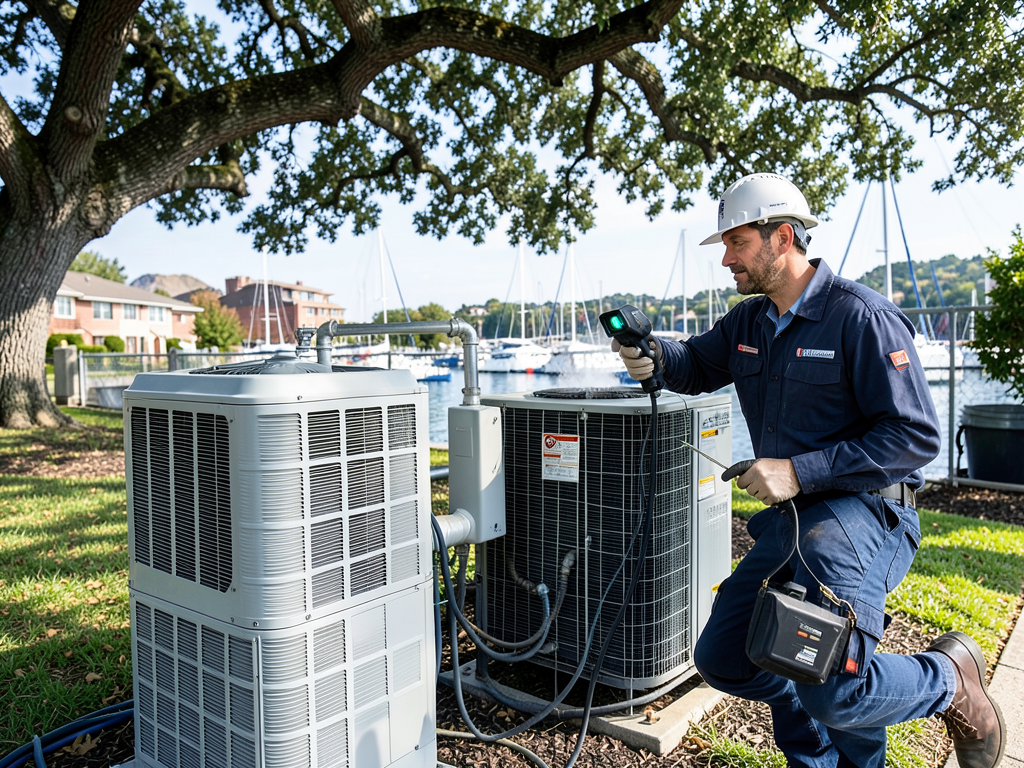
HVAC Services in The Houston Area

Titan HVAC is proud to serve Houston and the surrounding areas with expert heating and cooling solutions. Our central location allows us to respond quickly to both residential and commercial clients. Whether you need an emergency fix or scheduled service, we’re never far away. Explore our service area and see how close comfort really is. We're just a call or click away—connect with us today.

Address:
Titan HVAC Houston, 3730 Kirby DrHouston, Houston, TX, 77098

Additional Services We Offer

Our news updates

Latest Articles & News from The Blogs

Updating the HVAC in an Eastwood Brick Bungalow Without Ruining the Character Eastwood’s brick bungalows built in the 1920s and…

Updating the HVAC in an Eastwood Brick Bungalow Without Ruining the Character

Updating the HVAC in an Eastwood Brick Bungalow Without Ruining the Character Eastwood’s brick bungalows built in the 1920s and…

Clever Ways to Hide an Outdoor AC Unit Without Breaking Woodlands HOA Rules

Clever Ways to Hide an Outdoor AC Unit Without Breaking Woodlands HOA Rules Living in The Woodlands means enjoying tree-lined…

Why a Radiant Barrier Might Be the Missing Piece for Your Aliana AC System

Why a Radiant Barrier Might Be the Missing Piece for Your Aliana AC System If your Aliana home feels like…

Contact Us

Your furnace should produce warm air, not cold drafts. Call Titan HVAC Houston at (281) 552-7766 right now. We will diagnose the problem and restore your heat today. No cold nights. No guesswork. Just reliable repairs from experienced technicians.